
Reviewed · COMMUNISM TOURS
Prague: Communists and World War II Tour
Prague’s 20th-century story is written across its streets: Nazi rule, Communist power, Soviet occupation, student protest, and the Velvet Revolution all left marks on the city. This two-hour walk connects those events, beginning near Charles Bridge and ending in central Prague.
I like the way the tour links World War I to the creation of Czechoslovakia and then to World War II, rather than treating each event as a separate history lesson. I also like the chance to hear about Jan Palach, Milada Horáková, the Gestapo, and the Stalin statue while standing in the places tied to those stories.
The main drawback is that this is a discussion-led history walk, not a sightseeing tour packed with grand interiors. You will see important locations, but many are ordinary streets and squares, so the quality of your experience depends heavily on your guide. The meeting point can also be confusing when several orange umbrellas gather near Charles Bridge.
Key points to know before booking
- World War I sets the stage: Learn how the end of the Habsburg era helped bring about Czechoslovakia and shaped the crises that followed.
- The route covers central Prague: Walk from Křižovnické Square through Národní, New Town, Wenceslas Square, and Republic Square.
- The Stalin story is a major stop: Hear about the dramatic 30-meter statue and the political world that produced it.
- Personal stories make the politics human: The tour covers Jan Palach, Milada Horáková, black-listed books, and the Velvet Revolution.
- The best guides invite questions: Barbara, Martin, Otakar, Inna, Dana, and others have been praised for clear explanations and lively discussion.
- Museum entry is optional: Choose the Museum of Communism ticket, or use the 10 percent discount coupon if you visit separately.
Why this Prague history walk is worth your time
Many first visits to Prague focus on Gothic churches, Baroque buildings, castles, and pretty river views. Those sights matter, but they can leave you with a thin understanding of the city’s recent past. This tour supplies the missing layer.
You spend two hours following the political changes that shaped modern Czech life. The route covers the fall of the old imperial order, the creation of Czechoslovakia, Nazi occupation, postwar Communism, the Russian occupation, and the Velvet Revolution.
I like this broad timeline because it gives you a way to read Prague after the tour. A square is no longer just a convenient place for a tram stop. A monument is no longer just a photo background. You begin to notice which figures are honored, which stories are absent, and how public spaces can change meaning when governments change.
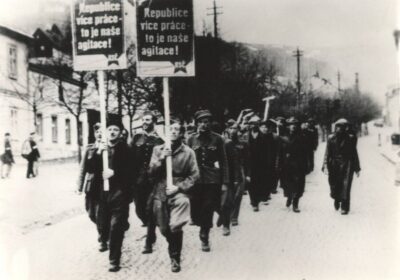
The tour also avoids treating history as a list of dates. You hear about people who resisted, suffered, or made difficult choices. That includes Jan Palach, the student who set himself on fire in protest, and Milada Horáková, whose opposition to Communist rule became one of the period’s most powerful stories.
More wartime history days near Prague:
- Prague: WWII Guided Tour & The Crypt of Operation Anthropoid
★ 4.7 · 1,030 reviews - WWII in Prague Tour & The Crypt of Operation Anthropoid
★ 5.0 · 817 reviews - Small-Group World War 2 & Operation Anthropoid Tour in Prague
★ 5.0 · 231 reviews
Starting at Křižovnické Square by Charles Bridge
Meet your guide in front of Charles Bridge at Křižovnické Square, beside the statue of Charles IV. Look for the orange umbrella. Staroměstská is the closest tram or subway station.
This is a sensible starting point. Charles Bridge is one of Prague’s most famous landmarks, but the tour quickly shifts your attention from medieval Prague to the political struggles of the 20th century. That contrast is useful. You begin in a setting associated with kings and saints, then move toward the streets where modern Czech identity was argued and tested.
Give yourself extra time to find the correct guide. Several guides may use orange umbrellas at the bridge, and one person had difficulty identifying the right group. The tour operator could make this easier by printing the tour name on the umbrella, but for now, ask which guide is leading the Communists and World War II walk.
Guide quality matters here. Barbara has been praised for being engaging and sharp, while Martin has received strong marks for detailed explanations and his ability to answer many questions. Otakar has also been singled out for clear answers and strong command of the subject. Guides such as Inna and Dana have been able to turn the walk into a discussion, not just a speech.
From World War I to the birth of Czechoslovakia
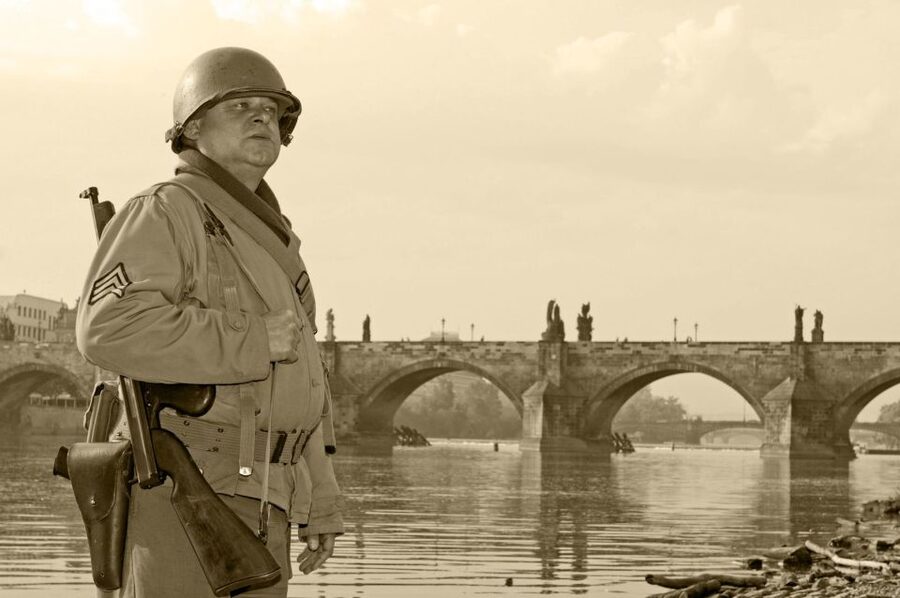
The first major task is to understand how one war helped create the conditions for another. Your guide explains World War I and the political changes that led to the establishment of Czechoslovakia.
This is an important choice of starting point. If you begin the story in 1938 or 1939, Nazi occupation can seem to arrive without warning. By starting earlier, the tour shows you how the collapse of the old political order, the creation of a new state, and the pressures of the interwar years shaped what followed.
You should expect a general explanation rather than a specialist lecture on every political faction. The value is in seeing the connections. The new state had to define itself, manage competing identities, and survive a tense European political climate. That background helps explain why later events were so traumatic.
The guide also connects the political story to Prague itself. You are not simply told that decisions were made elsewhere. You are shown streets and public spaces where power was exercised, challenged, and remembered.
Národní and the streets shaped by Nazi rule
The route continues toward Národní, one of central Prague’s key streets. Here, the focus moves toward Nazi occupation and the experience of living under a regime that used fear, surveillance, and force.
The tour points out streets where the Nazi Gestapo once ruled. That wording matters because the walk is not limited to famous monuments. You may pass buildings that look ordinary, yet their place in the city’s political story is grim.
This section is likely to appeal to you if you prefer history tied to physical places. A classroom can explain occupation, but walking through the same city where the system operated gives the subject a more direct quality. The guide can show how the modern city overlaps with the city of the occupation.
The story also includes Reinhard Heydrich, often remembered as the Butcher of Prague. His presence in the tour adds a human and political face to the Nazi system, though the walk covers a much larger period than his individual role.
Do not expect every site to have a large plaque or dramatic memorial. Some of the strongest moments may come from the guide explaining what happened in a street where little now announces its past. That is both the strength and the limitation of this format.
More communist era tours in Prague:
- Prague: Communism History and Nuclear Bunker Guided Tour
★ 4.7 · 2,417 reviews - Prague Communism History and Nuclear Bunker Tour
★ 5.0 · 1,742 reviews - Communism & Nuclear Bunker Tour + 70s Canteen Lunch (own expense)
★ 5.0 · 1,036 reviews - Prague: Communism and Bunker Tour with 70s Canteen Lunch
★ 4.8 · 250 reviews
New Town and the end of the war
As the walk reaches New Town, the story remains focused on Prague’s transition through war and its aftermath. New Town is a useful setting for discussing how ordinary urban areas became political spaces.
The guide explains how the Second World War changed the city and how the postwar period created the conditions for Communist power. You will hear about the forces that reshaped Czechoslovakia after the war, leading to life behind the Iron Curtain.
I appreciate the way this part connects war and ideology. The tour does not stop with the end of Nazi occupation and treat liberation as a neat ending. Instead, it shows how one form of authoritarian rule was followed by a new political order, with its own controls, restrictions, and official story.
This is also where your questions can improve the experience. Several guides have been praised for discussing what Communist rule meant in daily life and how its effects remain in the minds of people today. If you are curious about censorship, public loyalty, work, education, or the way families handled political pressure, this is a good point to ask.
Wenceslas Square and the drama of public protest
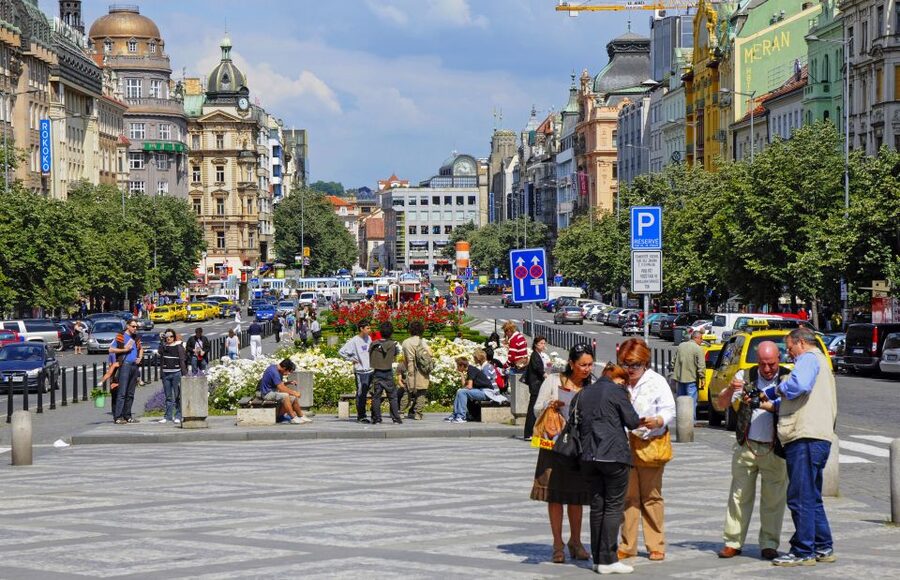
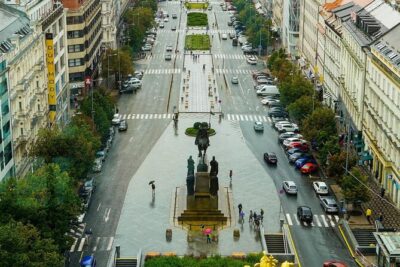
Wenceslas Square brings the political story into one of Prague’s most important public spaces. The square is large, central, and closely tied to moments when people gathered to support or challenge the government.
Here you learn about the Communist Revolution, the Russian occupation, the protest of Jan Palach, and the events that led to the Velvet Revolution. The square helps you understand how public space can become a stage for both official power and popular resistance.
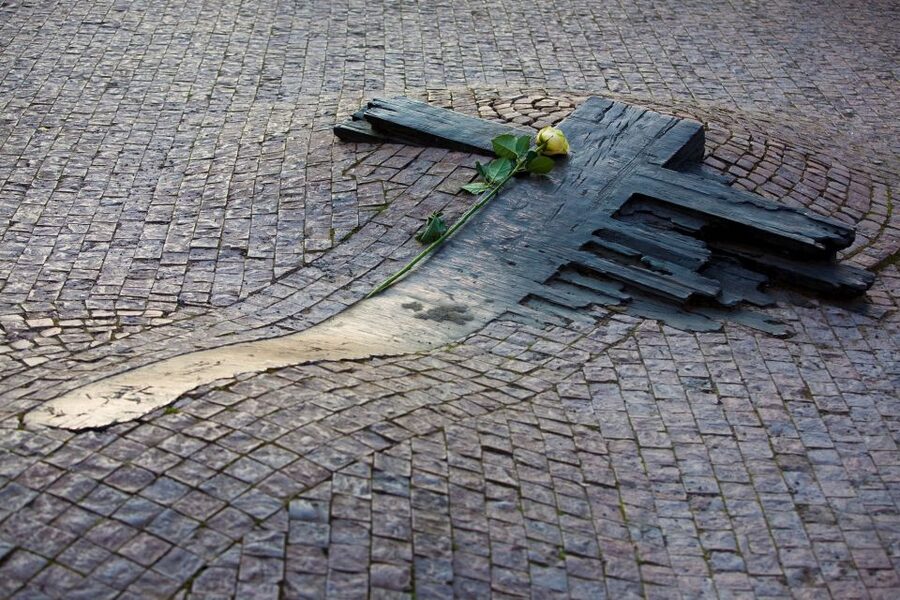
Jan Palach’s story is difficult, and the guide treats it as part of a wider account of protest and despair. You should expect serious subject matter. This is not a light city walk, but the stories are central to understanding why the end of the 1960s and the later fall of Communist rule remain so important in Czech memory.
The Velvet Revolution gives the route its final political arc. You hear how opposition grew and how the country moved toward a new chapter. The tour does not present the change as an abstract political event. It places the story within the streets and squares where public pressure became impossible to ignore.
The 30-meter Stalin statue and Communist symbolism
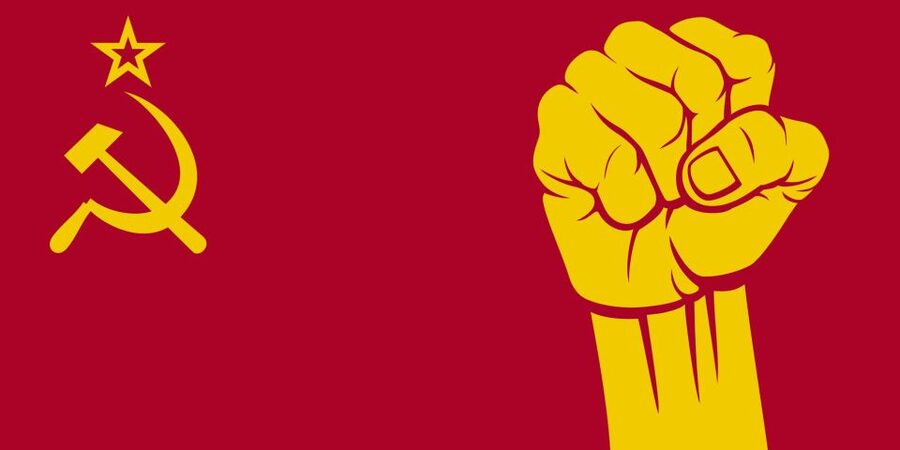
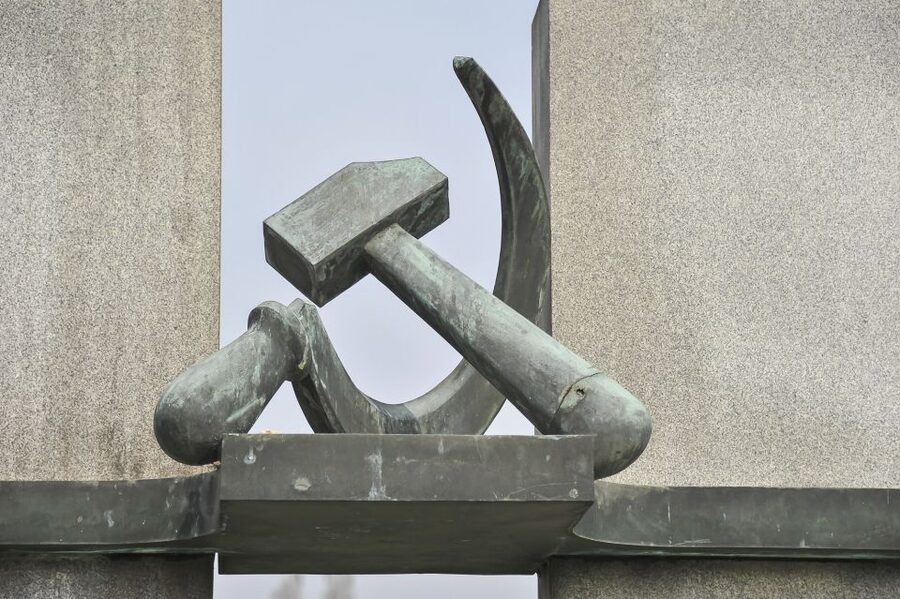
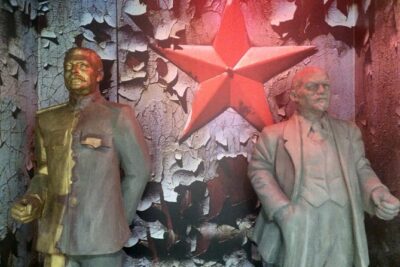
One of the tour’s most striking subjects is the 30-meter statue of Stalin. The guide explains the statue and the political world behind it, giving you a clear example of how Communist governments used monumental art and public space.
Even if you are not especially interested in sculpture, this story is valuable because it shows how leaders sought to make ideology physically unavoidable. A structure of that size was not a small decoration. It was a public statement about authority, loyalty, and the Soviet model.
The statue also helps explain why the tour pays attention to symbols. Prague’s monuments do more than decorate squares. They tell you who once held power, whose ideas were promoted, and how later generations responded.
This section will not appeal as much if you want a long list of preserved buildings to enter. The emphasis is on interpretation. You learn what the statue meant, why it mattered, and how its story fits into the broader experience of Communism in Czechoslovakia.
Censorship, black-listed books, and life under Communism
The tour moves beyond monuments to the quieter tools of political control. Your guide discusses black-listed books and the ways censorship shaped public life.
That detail is especially useful because it brings Communism down from government offices and grand slogans to everyday choices. A banned book can affect what people read, teach, discuss, or keep hidden at home. The story gives you a clearer sense of why political control could reach far beyond elections or street demonstrations.
You also hear about the Russian occupation and the years that followed. The discussion places Prague within the larger Cold War and Iron Curtain system while keeping attention on local experience.
Guides have been praised for answering questions about both the Communist period and the city’s later transition. I would use this chance to ask about the difference between official accounts and private memory, since the tour’s strongest quality is its ability to connect major events with the way people remember them.
Republic Square and the final stretch
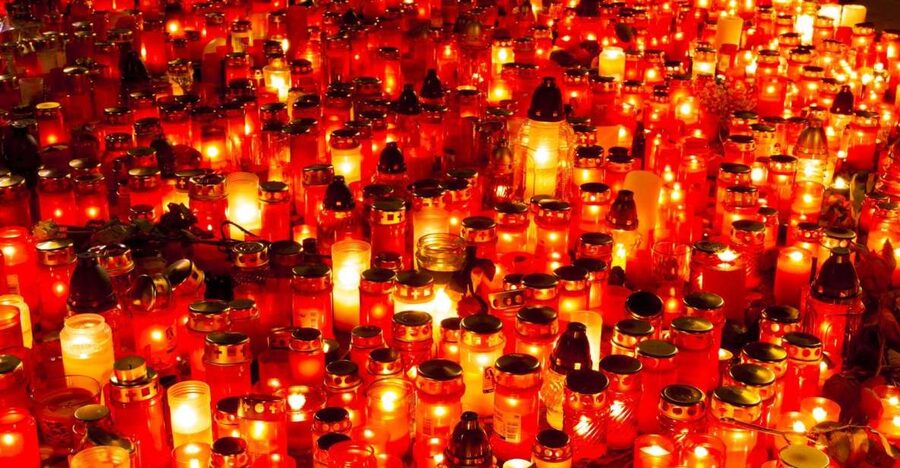
The route continues to Republic Square before finishing in Prague. This final section helps bring the story into the later 20th century and the creation of the Czech Republic.
Republic Square is a practical end point in central Prague. You remain close to major sights and transport, so you can continue sightseeing, find lunch, or visit the Museum of Communism afterward.
The walk finishes with a sense of how the pieces fit together: World War I, the formation of Czechoslovakia, Nazi rule, postwar Communism, the Russian occupation, censorship, protest, and the Velvet Revolution. You will not learn every detail of Czech history in two hours, but you will have a workable framework for the city’s modern past.
The optional Museum of Communism visit
You can select an option that includes entry to the Museum of Communism. If you do not choose the ticket, the tour includes a 10 percent discount coupon for the museum.
The museum can add depth after the walk, especially if you want more visual material and additional context about life under Communist rule. One practical point is that a film shown as part of the museum experience may feel repetitive after a clear guide has already explained the subject. If you prefer conversation and interpretation, the walking portion may be the stronger part for you.
If you choose museum entry, allow yourself time to take in the displays rather than treating it as a quick add-on. The walk gives you the city and the stories tied to its streets. The museum gives you a more concentrated setting for the same period.
Price, pace, and who will enjoy it most
At $29 per person, this is a fair price for a two-hour guided walk if modern Czech history is a priority. You are paying for a local guide, a structured route, and the chance to ask questions while moving through central Prague. The museum ticket is included only with the selected option, so check the exact booking choice before you pay.
The pace should suit most people who can walk for two hours in comfortable shoes. There is no need for special equipment, but good footwear matters on Prague’s hard city surfaces.
This tour is best for adults, students, and older children who already have some interest in politics or history. One family chose to leave their children behind because the experience is more about learning and discussion than visual entertainment. I agree with that judgment. A child who enjoys stories about protests, occupation, and political change may do well, but younger children may find the material and walking pace demanding.
The tour is offered in English, German, and Russian. If you want a small-group feel, that may happen on your date, but it is not guaranteed. One booking had only two people, while the meeting area can also contain several groups at once.
Free cancellation is available up to 24 hours before the start, and you can reserve now and pay later. Those terms are useful if your Prague schedule is still shifting.
Should you book this Prague Communists and World War II Tour?
Book it if you want Prague to make political sense, not just look beautiful. The best part is the connection between places and people: Nazi occupation, the Stalin statue, black-listed books, Jan Palach, Milada Horáková, and the Velvet Revolution all become parts of one clear story.
Skip it if you want a fast-moving tour of famous architecture, interior visits, or family entertainment. Also keep in mind that the route relies on your guide’s explanations, so ask questions and listen closely.
For most adults with an interest in 20th-century Europe, I would choose this tour early in a Prague visit. It gives you useful context for the rest of the city, and guides such as Barbara, Martin, Otakar, Inna, and Dana have shown the kind of clear, flexible teaching that makes a serious subject approachable.
FAQ
How long does the tour last?
The walking tour lasts two hours.
Where does the tour meet?
It meets in front of Charles Bridge at Křižovnické Square, next to the statue of Charles IV. The guide holds an orange umbrella.
Which public transport stop is closest?
Staroměstská is the closest tram or subway station.
What languages are available?
The tour is offered in English, German, and Russian.
Where does the route go?
The route begins at Křižovnické Square and includes Národní, New Town, Wenceslas Square, and Republic Square before finishing in Prague.
Is Museum of Communism entry included?
Museum entry is included only if you select the option with the museum ticket. Otherwise, you receive a 10 percent discount coupon for the museum.
What should I bring?
Bring comfortable shoes for the two-hour walking route.
Can I cancel the booking?
You can cancel up to 24 hours in advance for a full refund. You can also reserve now and pay later.
Just added around Prague
- WWII and Communism History in Prague’s Old Town Private Tour★ 5.0 · 4 reviews
- World War II 4WD Tour from Prague with Lunch★ 4.4 · 3 reviews
- Wroclaw to Prague: 2-in-1 (Private Transfer + Country Tour)★ 5.0 · 4 reviews
- Prague: Historical Walking Tour with Focus on World War 2★ 4.3 · 12 reviews
- Walking tour of Prague in french: Old Town & Charles Bridge★ 4.9 · 62 reviews
- Ultimate Unlimited Beer Pong with Czech Beer★ 4.6 · 5 reviews
- Walking tour of Prague in French : Nové Město★ 4.9 · 16 reviews
- Prague: Modern Private Spa with Jacuzzi and Sauna★ 4.8 · 62 reviews
Communism Tours, compared.
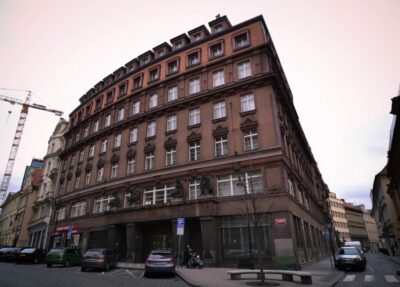
Communism History and Nuclear Bunker Guided Tour
Read our review →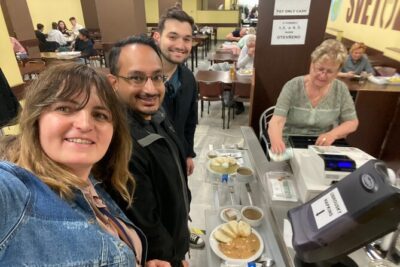
Communism & Nuclear Bunker Tour + 70s Canteen Lunch (own expense)
Read our review →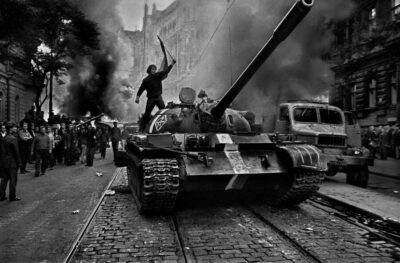
Second World War & Communism (Tip-based 3 hour tour)
Read our review →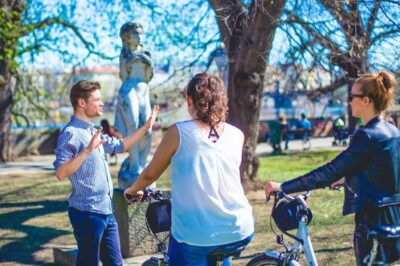
Prague Communism tour with visit of Communism museum
Read our review →Browse the lists this tour appears in