
Reviewed · WORLD WAR II TOURS
Prague: Historical Walking Tour with Focus on World War 2
Prague’s WWII story becomes most powerful at the places where it happened: the former Gestapo headquarters, the streets of the May 1945 uprising, and the church crypt where the resistance fighters involved in Reinhard Heydrich’s assassination made their last stand. I like the way this tour joins a classroom-style introduction with real locations, and I like the guide’s use of photographs and professional commentary to fill in what the buildings alone cannot show.
The main caution is pace and subject matter. This is a serious, information-heavy three hours, not a light stroll between pretty squares. One German-language review praised the guide’s command of history but noted that you need to be quick on your feet, and a separate booking found some key sites short on explanation. Go in ready to listen, walk, and ask questions.
Key points to know before booking
- The crypt at Resslova 9a is the emotional center: The tour ends at the place of the resistance fighters’ last stand and deaths.
- Heydrich’s assassination gets full attention: The tour explains the plot, its wider importance, and the final hiding place of those involved.
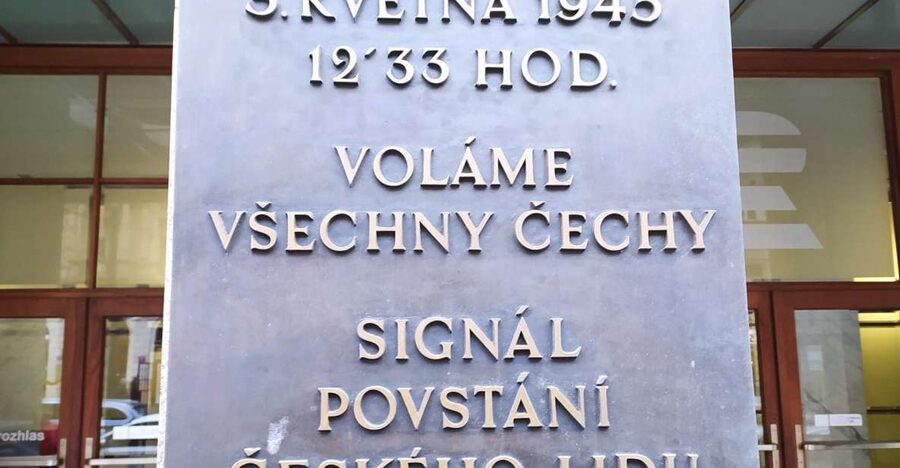
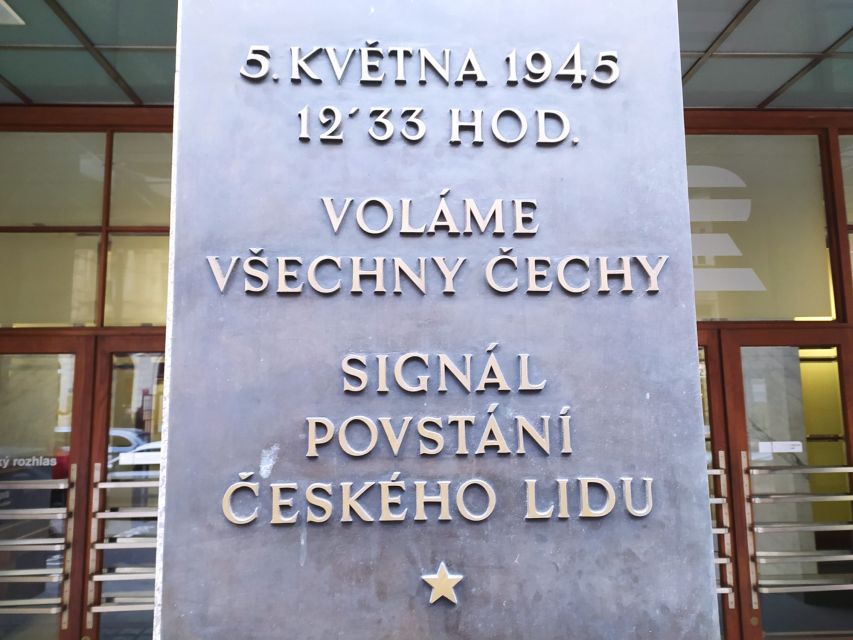
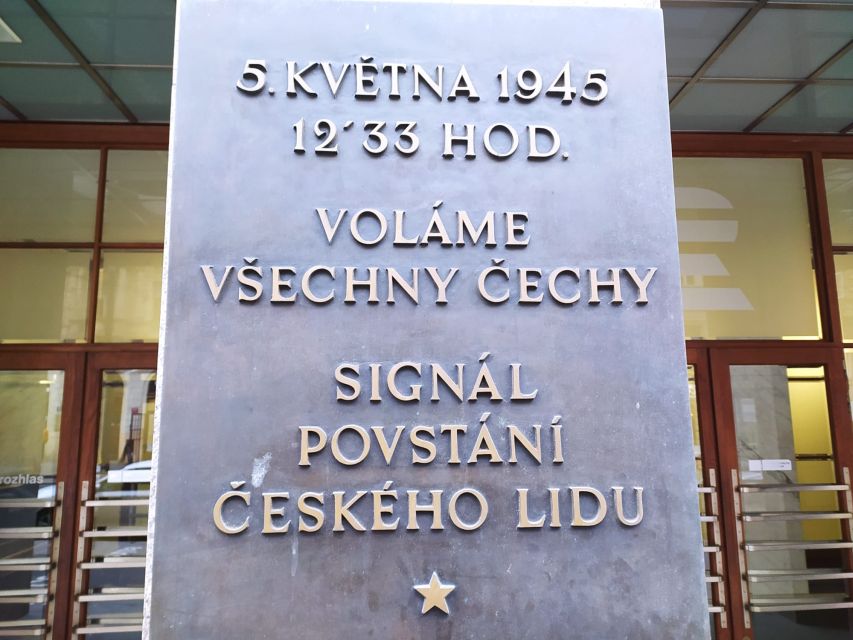
- The Prague Uprising is seen on location: Stops include Old Town Square, Wenceslas Square, and Czech Radio headquarters.
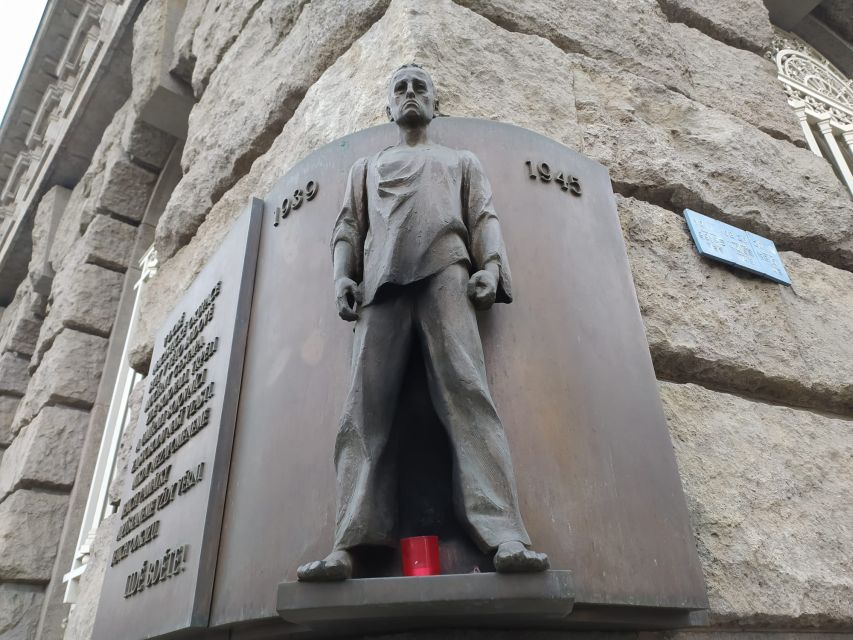
- The former Gestapo headquarters includes a memorial pause: You hold a minute of silence for victims of Nazism.
- A guide-led visual lesson adds context: Expect photographs, commentary, and a substantial introduction to Czech WWII history.
- The format suits serious history fans: The three-hour walk is available in English, German, or Czech, with private groups offered.
Why this Prague WWII walk matters
Prague can look almost untouched by the twentieth century’s worst years. Its grand squares, historic lanes, and ornate buildings often pull your attention toward medieval and imperial stories. This tour changes your focus. It asks you to read the city as a place of occupation, resistance, fear, and armed revolt.
That shift is useful because the subject is not limited to one museum or memorial. You move through central Prague and connect several sites into one story. The guide supplies the framework first, then points to the physical locations where the events unfolded.
The opening lecture covers World War II with particular attention to Czech history. That matters because the Czech experience does not fit neatly into a simple story of heroes and villains. You need some background on the country’s wartime position before the later stops make full sense.
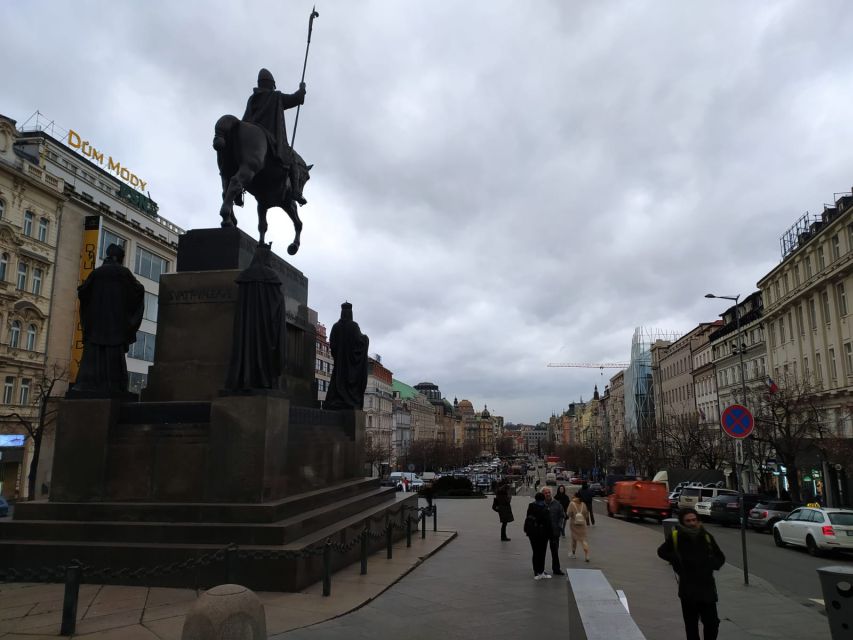
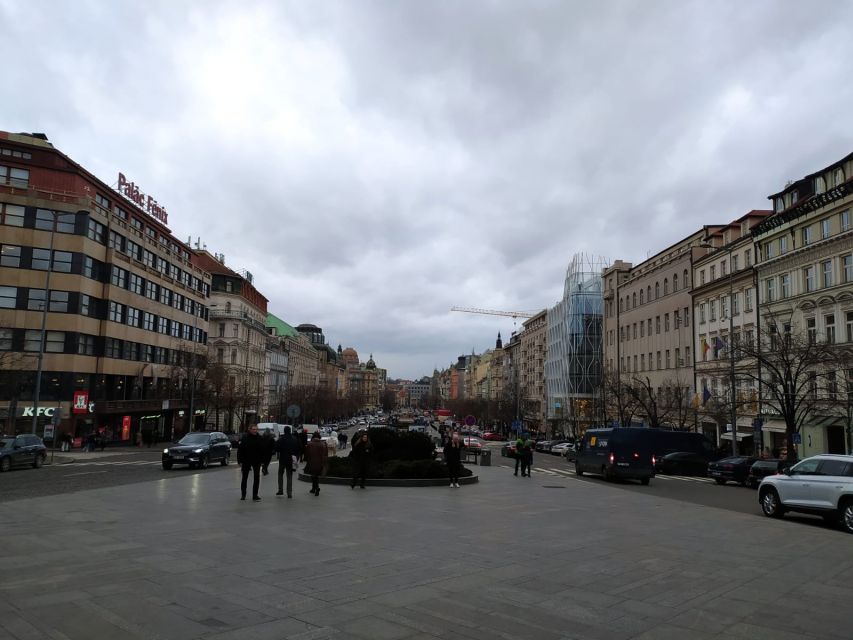
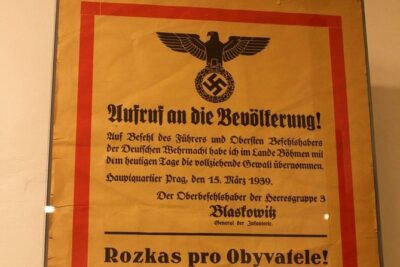
Expect the guide to use many photographs during the walk. These images help bridge the gap between present-day Prague and a city under Nazi control. A square that looks calm today can be tied to wartime crowds, fighting, arrests, or resistance activity through the guide’s visual material.
The tour is led by a licensed local guide. Petr is named in one detailed account as a guide who shared his own experience of growing up in Prague and discussed both history and present politics. You should not assume Petr will lead every departure, but his approach gives you an idea of the personal angle that may be part of the experience.
More wartime history days near Prague:
- Prague: WWII Guided Tour & The Crypt of Operation Anthropoid
★ 4.7 · 1,030 reviews - WWII in Prague Tour & The Crypt of Operation Anthropoid
★ 5.0 · 817 reviews - Small-Group World War 2 & Operation Anthropoid Tour in Prague
★ 5.0 · 231 reviews
Starting beneath the archway at Skautský Institut
The regular meeting point is outside the entrance to Skautský Institut, in an archway. Look for a guide holding a paper marked Spectrum Tours. Some options use a different pickup location, so check the selected departure carefully before setting out.
This meeting arrangement is practical rather than grand. You are not looking for a large office or a coach with a bright sign. Arrive with your confirmation details ready, especially if you selected a pickup option that differs from the standard meeting point.
The tour lasts three hours and is conducted on foot. Wear comfortable shoes, as requested, and bring a passport or identity card. The route ends at Resslova 9a in Prague 2, New Town, rather than returning you to the initial meeting point.
That one-way finish can work in your favor. You end at one of the tour’s most important sites, the church crypt at Resslova 9a. It also means you should plan your next stop from there instead of assuming you will finish near the Old Town.
A serious introduction before the walking begins
The theoretical introduction is a major part of this experience. If you want only a quick succession of memorials, this format may feel too academic. If you want a clear account of the Czech side of World War II, the opening gives the later stops a stronger foundation.
The guide explains key points in Czech history and sets the political and military context for Nazi rule. The supplied description calls this a complete lecture-style introduction, so expect more than a few dates and names. The exact depth can depend on the guide and group, and one rating specifically criticized limited explanation at some important sites.
That unevenness is worth keeping in mind. A strong guide can turn a difficult subject into a clear sequence of cause and effect. A less detailed presentation may leave you wanting more at certain locations. The overall rating is 4.3 from 12 ratings, which suggests a generally positive experience but not a perfectly consistent one.
I would choose this tour early in a Prague visit if WWII is a major interest. The background may help you understand later visits to memorials and museums. If your interest is casual, the lecture could take more energy than you expect.
Seeing Prague under occupation through photographs
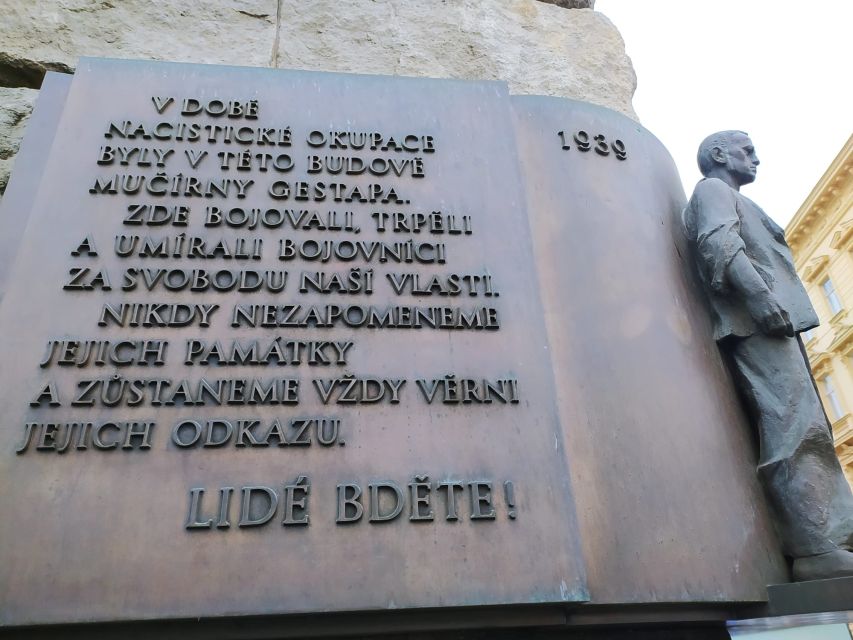
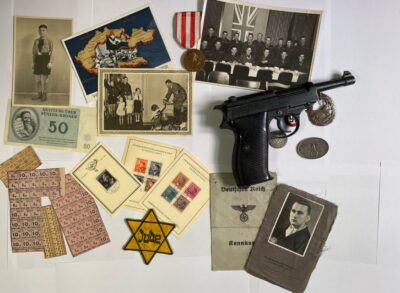
The photographs are one of the tour’s most useful features. Many wartime sites have changed, and modern Prague does not always reveal what happened there. Historical images give the guide a way to show the streets and buildings during the period under discussion.
You are not simply told that an event occurred in a square. The guide can place an image beside the present view and explain what to look for. This visual method is especially helpful during a walking tour, where you may otherwise struggle to connect a broad historical account with ordinary city scenery.
The description promises many photographs with professional comments and explanations. The quality of that part depends on how clearly the guide connects each image to the location. Ask questions if a photo raises one. The tour is much more useful when you stay involved rather than treating it as a passive lecture.
A Danish-language account described the guide as passionate and professional, while also noting a fast pace. That is a useful practical warning. Keep your attention on the guide, and do not expect long pauses at every stop.
More history walks in Prague:
- Prague: Oldtown, Medieval Underground & Dungeon History Tour
★ 4.2 · 8,244 reviews - Prague Old Town, Medieval Underground and Dungeon Historical Tour
★ 4.5 · 3,227 reviews - Prague: Communism History and Nuclear Bunker Guided Tour
★ 4.7 · 2,417 reviews - Prague: Historic City Center Bus Tour with Top Sights
★ 4.4 · 2,360 reviews
Old Town Square and the Prague Uprising
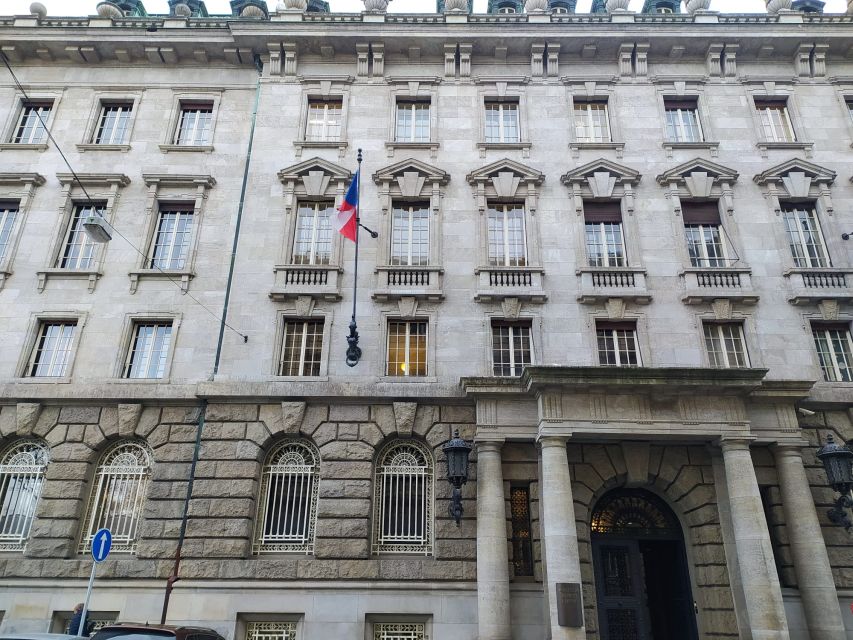
Old Town Square is included as one of the places tied to the heaviest fighting during the Prague Uprising in May 1945. You see the square not only as Prague’s best-known historic center, but also as a setting for the final phase of the war.
The value here comes from contrast. Tourists usually read Old Town Square through its architecture, cafés, and public events. This tour asks you to picture it during an armed uprising, when the city’s central spaces had a very different purpose.
The visit is guided rather than presented as a separate museum stop. That means the explanation is essential. One booking specifically found that some key sites received limited insight, so listen closely and ask for clarification if the account feels brief.
Wenceslas Square and Czech Radio headquarters
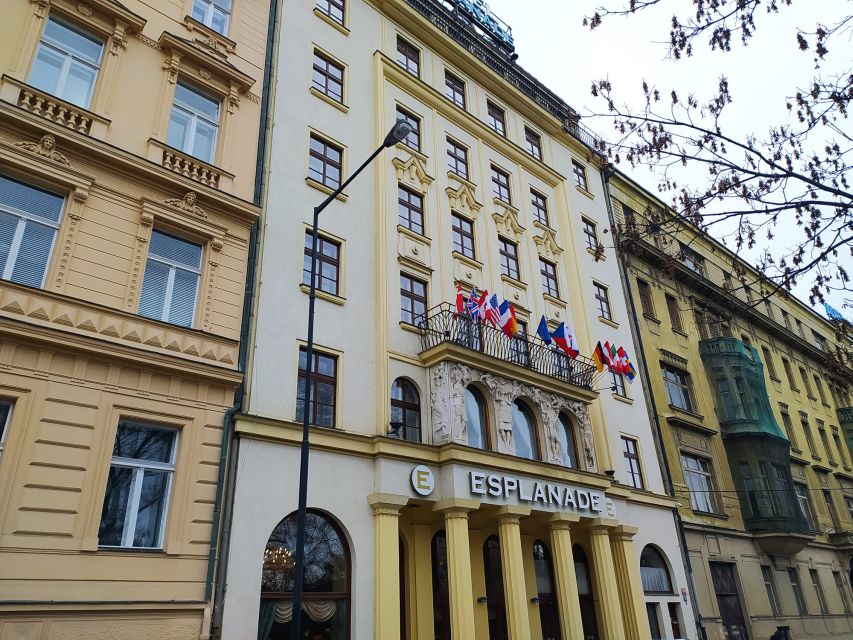
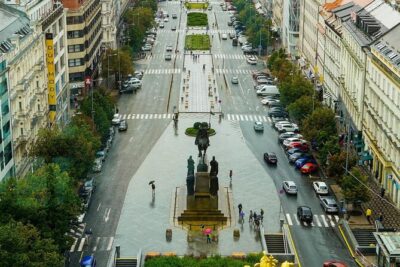
Wenceslas Square is another major location connected with the May 1945 fighting. Its broad shape and civic importance make it an important part of Prague’s modern political story, and the tour places it within the final battles of the war.
The route also reaches Czech Radio headquarters. The supplied details identify this as one of the heaviest-fighting locations during the Prague Uprising. This stop helps show that the uprising was not an abstract political event. It involved real buildings, streets, communication points, and people trying to resist Nazi control.
These sites are particularly useful if you have already seen the usual Prague highlights and want a less polished account of the city. You will spend time looking beyond façades and monuments to the events that changed how the city was governed and defended.
Do not expect every stop to have a large plaque or a dramatic ruin. Much of the work is done by the guide’s explanation and photos. That is both the tour’s strength and its risk. With a sharp guide, ordinary streets become legible. With a rushed explanation, some locations may feel thin.
The former Gestapo headquarters and a minute of silence
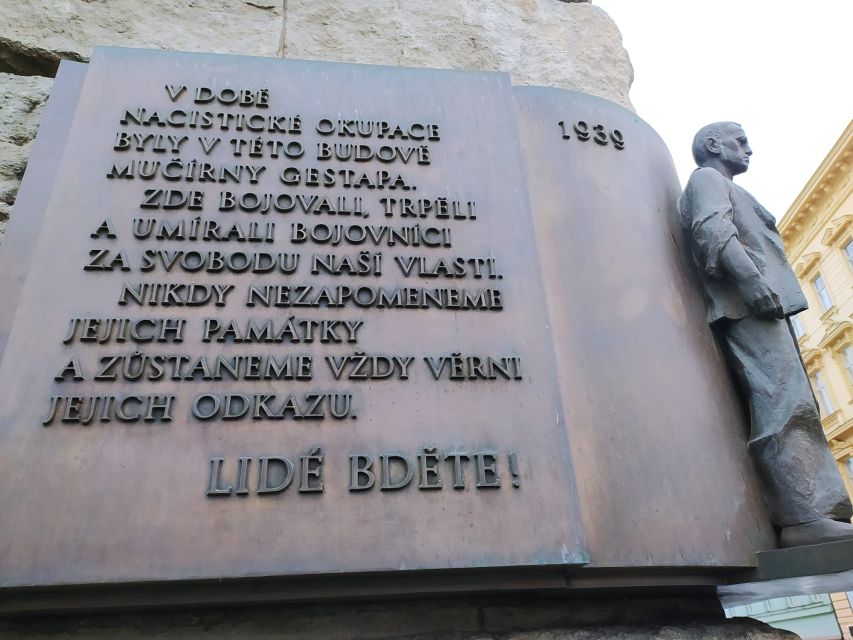
The former Gestapo headquarters provides one of the tour’s most solemn moments. You hold a minute of silence there as a memorial to the victims of Nazism.
This pause gives the tour a needed change of rhythm. After the lecture and the movement through major public squares, silence makes the human cost harder to treat as just another historical topic. It also asks you to approach the site with respect rather than curiosity alone.
The stop is not presented as entertainment, and that is appropriate. You may find it emotionally heavy, especially alongside the later account of resistance arrests and deaths. The tour’s subject matter is not suitable for a young child, and children under 10 are excluded.
The former headquarters also shows why place-based history matters. You are not only hearing about Nazi power in the abstract. You are standing at a building linked to the machinery of occupation and remembering the people who suffered under it.
Understanding Reinhard Heydrich’s assassination
The section on Reinhard Heydrich is a central reason to book this tour. The guide covers the assassination in detail, including Heydrich’s position among the highest-ranking Nazis until his death in 1942 and the consequences surrounding the operation.
The word problemacy in the description points to the complicated nature of this subject. A good explanation needs to cover the planning, the resistance members involved, the political setting, and what followed. It should not reduce the event to a single dramatic attack.
This part benefits greatly from photographs and visual material. Names, dates, and locations can become confusing when presented quickly. Images let you connect the people and places to the story, while the guide’s commentary supplies the links between them.
If Heydrich is the main reason you are considering the tour, ask at the start how much time will be given to the assassination and the crypt. The advertised format gives it major attention, but a private group may offer more room for questions than a larger departure.
The church crypt at Resslova 9a
The tour ends at Resslova 9a, in Prague 2, at the church crypt where the resistance members involved in the assassination made their last resistance and died. This is described as an incredibly impressive place, and it is easy to understand why it forms the emotional peak of the route.
A crypt is a more intimate setting than a square. The final stand took place in a confined space, and the visit brings the story down from national politics to the fate of specific people. You can expect the guide to explain the resistance members’ last moments and show how the site connects to the larger account of Heydrich’s assassination.
The ending is also logistically clear. You finish at Resslova 9a rather than circling back to the starting point. That makes the last stop feel like a true endpoint, but you should plan your onward route in advance.
The crypt may be especially meaningful if you have already learned the basic story of the assassination. If you arrive with no background at all, the introductory lecture and photographs should help, although the quantity of information may feel high over three hours.
How much value do you get for $58?
At $58 per person, this is not the cheapest way to walk through central Prague. You are paying for a licensed local guide, three hours of focused instruction, historical photographs, and access to a connected route rather than a general city orientation.
The value depends on your interest. If WWII and Czech resistance history are central to your trip, the price is reasonable because the guide does the research and connects sites that you might otherwise pass without understanding. The former Gestapo headquarters, the Uprising locations, and the crypt form a coherent subject-focused route.
If you mainly want Prague architecture, legends, or a broad first look at the city, I would choose a different tour. This experience spends its time on occupation, resistance, fighting, and memorials. The price buys depth in one area, not a general introduction to every side of Prague.
Private groups are available, which may improve the value for families or friends who want to ask many questions. The published details do not give a separate private-group price, so check that option before booking.
You can cancel up to 24 hours before the start for a full refund, and you can reserve now while paying later. Those policies make it easier to fit the tour into a changing Prague schedule, but the main decision should still be your interest in the subject.
Who will enjoy this tour most?
I would recommend this for adults and older teenagers who want a serious account of Czech World War II history. It suits you if you enjoy connecting political events to streets, buildings, and memorials rather than only visiting display cases.
It also works well for repeat visitors to Prague. If you have already seen Old Town Square and Wenceslas Square as standard sightseeing stops, the tour gives both places another meaning.
The tour may also suit you if you prefer a private experience. One account describes enjoying a private tour with Petr, including discussion of his personal experience growing up in Prague. A private format can make it easier to control the pace and ask about points that interest you most.
I would hesitate to recommend it for children under 10, since they are not accepted. I would also think twice if you dislike lectures, emotionally difficult memorials, or fast-paced walking between stops.
The tour is wheelchair accessible, which is useful to know, but the supplied details do not describe the exact route conditions or access arrangements at every historic site. If you need specific assistance, confirm the practical details before booking.
Language, pace, and the guide’s role
Tours are offered in English, German, and Czech. Choose the language in which you can follow names, dates, and political details without strain. This is not a tour where you can understand everything from the buildings alone.
The guide makes or breaks the experience. The strongest accounts point to a passionate local who can explain history, show photographs, and add personal perspective. Petr is specifically named in one account, but guide assignment may vary.
You should expect a direct presentation rather than a neutral list of dates. One detailed assessment noted that the guide’s views on world history were clear, along with comments on present politics. That can add personality, but it also means you should listen critically and ask questions when you want more context.
The pace may be brisk. Wear shoes that can handle three hours of walking, stay near the guide, and avoid planning a tight appointment immediately afterward. The route has several important stops, and the final crypt is in New Town, away from the starting point.
Should you book the Prague WWII walking tour?
Book it if you want a focused, place-based account of Nazi occupation, the Prague Uprising, and Heydrich’s assassination. The strongest reasons are the former Gestapo headquarters, the minute of silence, the May 1945 battle sites, and the final church crypt at Resslova 9a.
Skip it if you want a relaxed general sightseeing walk or a short introduction to Prague. The lecture-style opening, serious subject matter, and fast pace ask for attention.
At $58, the tour earns its price when the guide gives the promised context and uses the photographs well. Go with comfortable shoes, an open schedule, and a real interest in the Czech side of World War II. That is the combination most likely to make the three hours worthwhile.
FAQ
How long is the Prague World War II walking tour?
The tour lasts three hours.
What language is the tour offered in?
The live guide can conduct the tour in English, German, or Czech.
Where does the tour meet?
The standard meeting point is outside the entrance door to Skautský Institut, in an archway. The guide holds a paper marked Spectrum Tours. The pickup point can vary with the selected option.
Where does the tour finish?
The tour finishes at Resslova 9a, 120 00 Praha 2-Nové Město, Czechia.
What places connected with the Prague Uprising are visited?
The tour visits Old Town Square, Wenceslas Square, and Czech Radio headquarters, all identified as places connected with the heaviest fighting during the May 1945 Prague Uprising.
Does the tour visit a former Gestapo headquarters?
Yes. The route includes the former Gestapo headquarters and a minute of silence honoring victims of Nazism.
Does the tour cover Reinhard Heydrich’s assassination?
Yes. The tour gives a detailed account of the assassination and visits the church crypt where the resistance members involved made their last stand and died.
Is the tour suitable for children?
Children under 10 are not accepted. The subject matter also includes Nazi persecution, resistance, fighting, and deaths, so the tour is best suited to older visitors who can handle serious historical material.
Is the tour wheelchair accessible and can I book a private group?
The activity is listed as wheelchair accessible, and private groups are available. The tour is led by a licensed local guide.
More Walking Tours in Prague
- Prague: 3-Hour Walking Tour of Old Town & Prague Castle
★ 4.7 · 5,696 reviews - Prague: Ghost Walking Tour Where Legends Come To Life
★ 4.4 · 5,253 reviews - Prague: Jewish Quarter Walking Tour with Admission Tickets
★ 4.7 · 3,729 reviews - Prague Guided Walking Tour and Cruise with Authentic Czech Lunch
★ 5.0 · 3,627 reviews
Just added around Prague
- WWII and Communism History in Prague’s Old Town Private Tour★ 5.0 · 4 reviews
- Wroclaw to Prague: 2-in-1 (Private Transfer + Country Tour)★ 5.0 · 4 reviews
- World War II 4WD Tour from Prague with Lunch★ 4.4 · 3 reviews
- Walking tour of Prague in french: Old Town & Charles Bridge★ 4.9 · 62 reviews
- Ultimate Unlimited Beer Pong with Czech Beer★ 4.6 · 5 reviews
- Walking tour of Prague in French : Nové Město★ 4.9 · 16 reviews
- Prague: Modern Private Spa with Jacuzzi and Sauna★ 4.8 · 62 reviews
- Unique salt cave in Prague★ 4.9 · 10 reviews
World War II Tours, compared.
WWII Guided Tour & The Crypt of Operation Anthropoid
Read our review →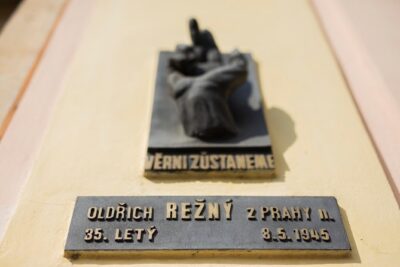
Small-Group World War 2 & Operation Anthropoid Tour in Prague
Read our review →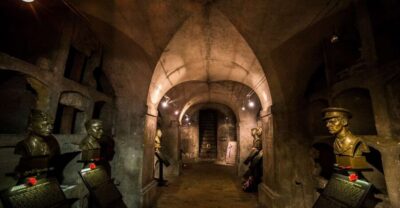
World War 2 and Operation Anthropoid Walking Tour
Read our review →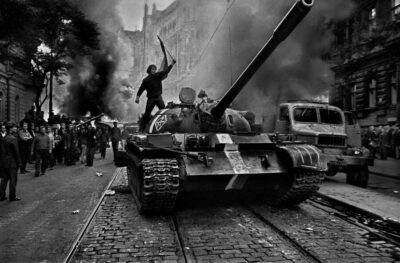
Second World War & Communism (Tip-based 3 hour tour)
Read our review →Browse the lists this tour appears in