
Reviewed · COMMUNISM TOURS
Prague: 2-Hour Back to Communism Walking Tour
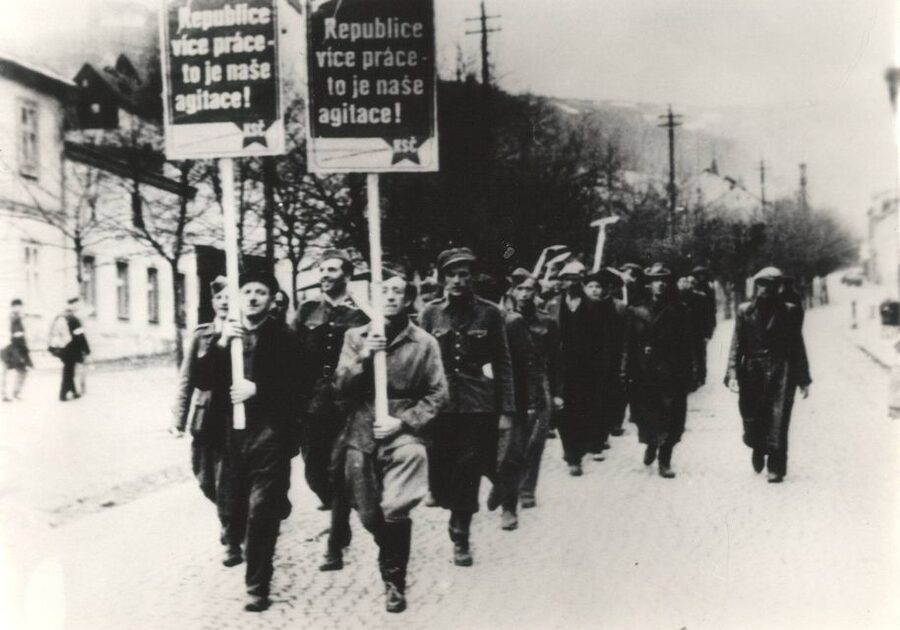
Prague’s communist past comes into focus when you leave the postcard center and follow the places tied to secret police, Soviet occupation, protests, and revolution. This walking tour is led by a local guide who lived through the era, so the subject is not just dates and political theory.
I like the mix of public landmarks and personal stories, especially the former secret communist police headquarters and the site of the old Stalin statue. I also like that the tour discusses both the benefits people associated with the system and its costs, rather than presenting a one-sided lecture.
The main caution is consistency. The overall rating is 3.8 from 26 reviews, and one German-language booking received criticism for weak German. Another guest found the guide distracted by phone messages, so your experience may depend heavily on the individual guide assigned.
Key points to know before booking
- A living connection to the past: Your guide experienced communist Czechoslovakia firsthand and can explain ordinary life beyond political slogans.
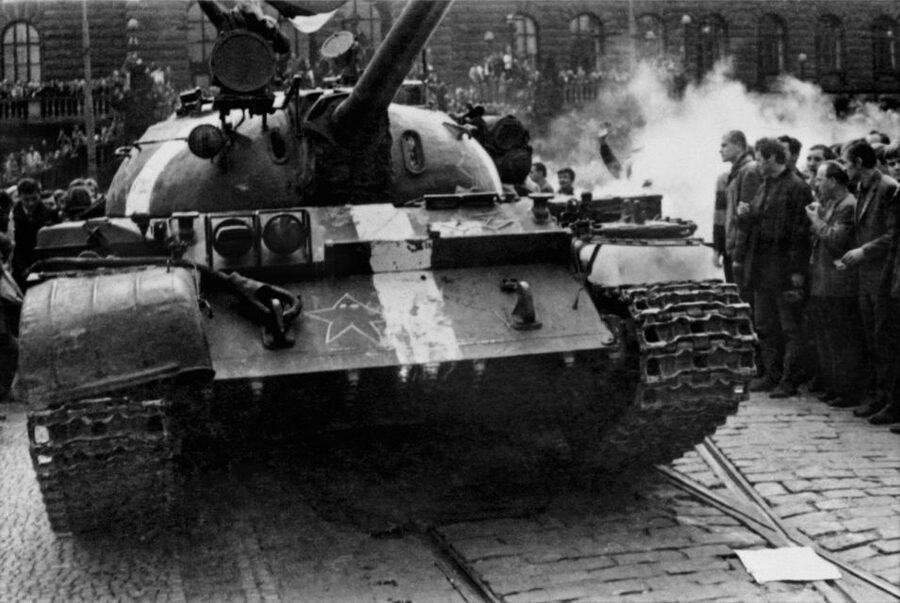
- A two-hour Prague history walk: The route links former police, Communist Party, protest, rebellion, revolution, and Soviet occupation sites.
- More than a sightseeing stroll: Expect an opening lesson on socialism and communism, followed by discussion of personalities, dates, and turning points.
- The former Stalin statue site: You’ll visit a place that once carried a huge symbol of Soviet power in Prague.
- Languages and access: Tours are offered in Czech, English, and German, and the walk is wheelchair accessible.
- Flexible booking: You can cancel up to 24 hours ahead for a full refund, and reserve without paying immediately.
Prague’s communist story begins before the walking route
The tour starts with an explanation of socialist and communist theory, including its rise in the 19th century and its spread into Central and Eastern Europe. That opening matters because Prague’s postwar experience makes more sense when you understand the political ideas behind it.
You are not simply shown a building and told that something important happened there. The guide sets up the wider story first, then connects it to Czechoslovakia. For some people, this classroom-style beginning will be useful. If you already know Marxist theory and Cold War politics, it may feel slow at first.
I would still welcome the introduction. A short grounding in the ideas helps you understand why the Communist Party gained power, why the Soviet Union mattered so much, and why later protests carried such danger. Ask questions as you go. Discussion is encouraged, and this subject often becomes clearer through examples than through a list of dates.
More communist era tours in Prague:
- Prague: Communism History and Nuclear Bunker Guided Tour
★ 4.7 · 2,417 reviews - Prague Communism History and Nuclear Bunker Tour
★ 5.0 · 1,742 reviews - Communism & Nuclear Bunker Tour + 70s Canteen Lunch (own expense)
★ 5.0 · 1,036 reviews
Former secret police headquarters and the machinery of control
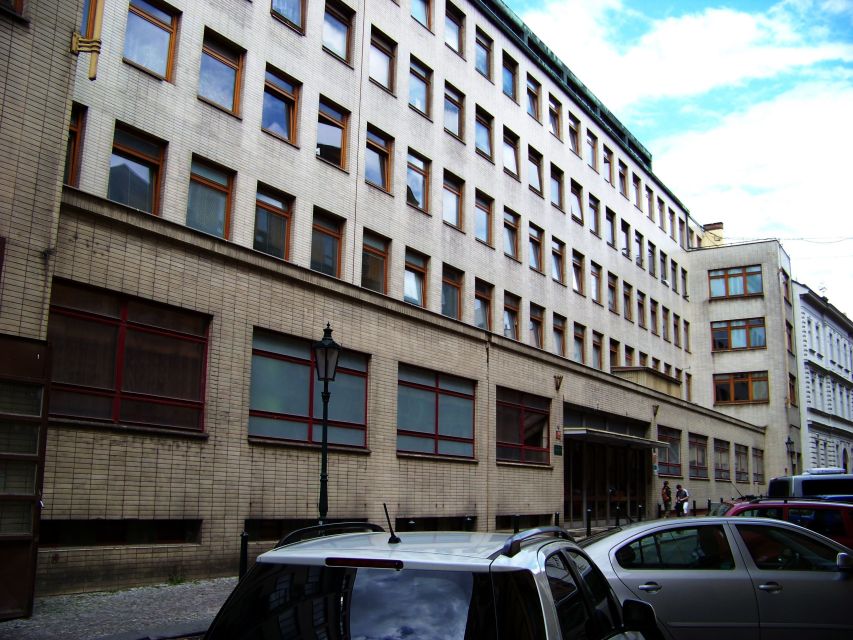
One of the most meaningful stops is the former headquarters of the communist secret police. This is where the tour moves from broad political ideas to the machinery used to watch, pressure, and control people.
The value of this stop is not architectural. You are there for what the place represents. The secret police formed part of a system that reached into everyday life, and the guide explains how state control affected ordinary people. The supplied information does not promise an interior visit, so expect to see and discuss the location from the walking route rather than assume you will enter.
This is a good example of why a local guide can add something a guidebook cannot. A building may look ordinary. Its past is not. The guide’s job is to connect the address to the people, fears, and decisions attached to it.
The former Stalin statue site and Soviet power
The route also visits the former location of Prague’s Stalin statue. The monument was a major public symbol of Soviet influence, and its former site helps you picture how political power was displayed in the city.
Today, the absence of the statue is part of the story. You are looking at a place shaped by changing governments and changing public memory. The stop works best when the guide explains what the monument meant, why it was placed there, and how its removal reflected a shift in the political climate.
Do not expect this to be a traditional monument tour. The focus is on the political meaning of the site and its place in Prague’s communist period. If you enjoy learning how cities use public spaces to show authority, this should be one of the stronger parts of the walk.
Communist Party offices, protests, and revolution
The tour continues to places connected with the Communist Party, including both a current and a former party seat. It also visits locations linked with protests, demonstrations, rebellions, and revolutions.
That combination gives the walk a useful rhythm. You see where power operated, then where people challenged it. You hear about official institutions, then about public resistance. The route is not limited to one famous event, and it helps you see the communist period as a series of changes rather than one fixed block of time.
Some locations still carry a heavy mood, according to the tour description. That does not mean every stop is visually dramatic. Some places may look like normal city streets. Their importance comes from what happened there and from the guide’s explanation.
I would keep your expectations practical. This is a walking history lesson through central Prague, not a museum visit filled with objects and displays. If you need photographs, interiors, or a large collection of original artifacts, this may feel light. If you want to understand how political events occupied real streets, the format works well.
More Walking Tours in Prague:
- Prague: 3-Hour Walking Tour of Old Town & Prague Castle
★ 4.7 · 5,696 reviews - Prague: Ghost Walking Tour Where Legends Come To Life
★ 4.4 · 5,253 reviews - Prague: Jewish Quarter Walking Tour with Admission Tickets
★ 4.7 · 3,729 reviews - Prague Guided Walking Tour and Cruise with Authentic Czech Lunch
★ 5.0 · 3,627 reviews
What daily life felt like under communism
The strongest part of the experience may be the shift from political history to daily life. The guides are described as people who survived the Cold War period, so they can talk about how the system affected ordinary routines.
That personal angle helps answer questions a textbook may leave open. How did people manage work, family life, public speech, and personal choices? What did the system promise, and what did it restrict? The tour aims to cover both its perceived advantages and its disadvantages.
That balance is important. A useful guide should not reduce communism to a single slogan. Some people remember social security or other benefits associated with the system, while others remember censorship, limited choice, political pressure, and fear. The experience gives room for those contrasts.
You should also be ready for a discussion shaped mainly by the Soviet model and its effect on Europe after the Second World War. One guest specifically found the focus less suitable for someone seeking a wider discussion of communism beyond the Soviet sphere. If your interest is Prague, Czechoslovakia, and Soviet influence, the subject fits well. If you want a global survey of communist systems, this is narrower.
The guide makes or breaks the experience
The advertised languages are Czech, English, and German. A professional local guide is provided, and the guide’s own experience of the period is a central part of the tour.
Several ratings praise the explanations as interesting and educational. One Italian-speaking guest especially valued the guide’s detailed treatment of the subject and unusual anecdotes. Another guest praised the clear meeting instructions and punctual arrival.
Still, there are practical differences between guides. A German-language booking received a low rating because the guide’s German skills were not strong enough. Another guest reported that the guide spent much of the walk dealing with organizational issues by phone, while frequent coughing also hurt the presentation.
I would choose your language carefully at booking and arrive ready to speak up if the group format is unclear. The tour can also be booked as a private group. One person who expected a shared group instead received a personal tour, which was a disadvantage for that guest but could be a pleasant surprise for someone who wants direct conversation.
Because no guide names are supplied, you cannot select a particular person in advance. That makes the guide a variable worth considering when you compare this tour with a museum or a self-guided route.
Is two hours enough for Prague’s communist past?
The walk lasts about two hours, though the booking page lists a duration range of one to two hours and asks you to check available starting times. Two hours is enough for a focused introduction, not a complete study of Czechoslovakia under communism.
The route covers several categories of site:
- The former secret police headquarters
- The former location of the Stalin statue
- Current and former Communist Party seats
- Places linked with protest and demonstration
- Sites connected with rebellion, revolution, and Soviet occupation
The tour’s value comes from the links between those places. You are not merely collecting addresses. You are building a basic map of how power, surveillance, resistance, and political change appeared in Prague.
The short format also suits a first visit. You can fit it around other sightseeing without giving up half a day. On the other hand, the subject is serious and broad. A guide may need to move briskly, and questions can stretch the timing. If one part interests you greatly, ask for suggestions about what to explore afterward.
Is $50 good value?
At $50 per person, this is not the cheapest way to spend two hours in Prague. The price is easier to justify if you value a live local explanation and the chance to ask questions. You are paying for the guide’s interpretation and personal connection, not for entry to a museum or a large number of paid attractions.
The tour also offers some value through its flexibility. You can reserve now and pay later, and cancellation is allowed up to 24 hours before the start for a full refund. That helps if your Prague schedule is still changing.
A private group option may change the value calculation. A solo visitor or couple who receives a personal tour may find $50 reasonable, especially if the guide is strong. A group that expected a shared experience may prefer the energy of more participants and should confirm the arrangement before setting out.
The current 3.8 rating suggests a worthwhile but uneven experience. I would not book it blindly for a once-in-a-lifetime history obsession. I would book it if the route, local perspective, and two-hour format match what you want, while accepting that guide quality matters.
Practical details for a smoother walk
The meeting point can vary according to the option you book. Two listed starting locations are Na Příkopě 28 and Na Příkopě 864, so check the exact address rather than relying on a general map pin.
Bring a passport or identity card. Large bags and luggage are not allowed, which is useful to know if you are arriving directly from a train station or checking out of accommodation. Plan to carry only what you need for the walk.
The experience is wheelchair accessible. That is a useful feature, but the supplied details do not describe the exact pavement, slopes, or access conditions at every stop. If you need specific route information, ask before booking.
The tour is available in Czech, English, and German. If language clarity is especially important, choose the strongest available option for you and confirm it at the start. The subject includes political terms and personal stories, so weak translation can make the walk much less satisfying.
Who should book this tour?
I would recommend it to you if you want to understand Prague beyond its medieval center and grand churches. It is particularly suitable if you are interested in Cold War Europe, political change, public protest, or the way major events affected ordinary households.
It also suits you if you prefer a guide who can respond to questions instead of an audio guide that follows a fixed script. The private group option may be useful for families, couples, or small groups who want more time to talk.
I would be more cautious if you want a broad history of communism around the world, a museum-style collection of objects, or a tour centered on interiors. The subject is focused on Czechoslovakia and Soviet influence in Europe. Also think twice if you need flawless German or if you dislike walking tours that depend strongly on the assigned guide.
Should you book the Back to Communism walk?
Book it if you want a compact, personal introduction to Prague’s communist period and you value stories from someone who lived through it. The former secret police headquarters, Stalin statue site, Communist Party locations, and protest places give the walk a clear purpose.
Go in with realistic expectations. The route may be excellent with a focused guide and less satisfying if communication or organization slips. Confirm your meeting point and language, leave your luggage behind, and use the question period to draw out the daily-life details that make this history matter.
FAQ
How long does the Back to Communism walking tour last?
The tour is designed to last about two hours. The activity information lists a duration of one to two hours, so check the available start time and duration when booking.
Where does the tour start?
The meeting point depends on the option you choose. Listed starting locations include Na Příkopě 28 and Na Příkopě 864 in Prague.
What places does the tour visit?
The walk includes the former secret communist police headquarters, the former Stalin statue site, current and former Communist Party seats, and places linked with protests, demonstrations, rebellions, revolutions, and Soviet occupation.
Is the tour led by a local guide?
Yes. The tour is led by a local professional guide, and the guides lived through the communist period and Cold War era.
What languages are available?
The tour is offered in Czech, English, and German.
Is the tour wheelchair accessible?
Yes, the activity is listed as wheelchair accessible.
Can I book a private group?
Yes. A private group option is available.
What should I bring?
Bring a passport or identity card. Large bags and luggage are not allowed.
Can I cancel for a refund?
Yes. You can cancel up to 24 hours before the tour for a full refund.
Do I have to pay when I book?
No. The reserve-now, pay-later option lets you hold your place without paying immediately.
More 2-Hour Experiences in Prague
- Prague: Pub Crawl with 2-Hour Open Bar at Drunken Monkey
★ 3.9 · 670 reviews - Prague Castle & Castle District: 2-Hour Guided Tour
★ 4.6 · 622 reviews - Prague Boats 2-hour Lunch Cruise
★ 4.0 · 352 reviews - 2-Hour Old Town and Jewish Quarter Tour in Prague
★ 5.0 · 310 reviews
Just added around Prague
- WWII and Communism History in Prague’s Old Town Private Tour★ 5.0 · 4 reviews
- World War II 4WD Tour from Prague with Lunch★ 4.4 · 3 reviews
- Wroclaw to Prague: 2-in-1 (Private Transfer + Country Tour)★ 5.0 · 4 reviews
- Prague: Historical Walking Tour with Focus on World War 2★ 4.3 · 12 reviews
- Walking tour of Prague in french: Old Town & Charles Bridge★ 4.9 · 62 reviews
- Ultimate Unlimited Beer Pong with Czech Beer★ 4.6 · 5 reviews
- Walking tour of Prague in French : Nové Město★ 4.9 · 16 reviews
- Unique salt cave in Prague★ 4.9 · 10 reviews
Communism Tours, compared.
Communism History and Nuclear Bunker Guided Tour
Read our review →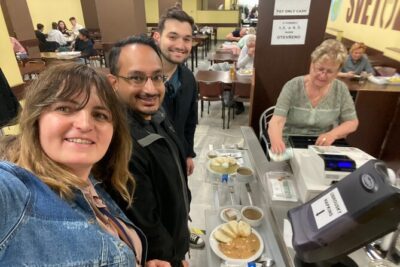
Communism & Nuclear Bunker Tour + 70s Canteen Lunch (own expense)
Read our review →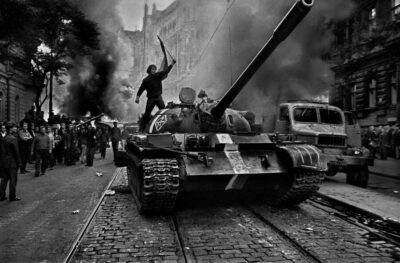
Second World War & Communism (Tip-based 3 hour tour)
Read our review →
Prague Communism tour with visit of Communism museum
Read our review →Browse the lists this tour appears in