
Reviewed · COMMUNISM TOURS
Prague: Communism and Bunker Tour with 70s Canteen Lunch
Prague’s communist past feels most real when it is tied to ordinary streets, not just dates in a museum. This tour links the 1948 Communist coup, Prague Spring, and Velvet Revolution to places in Old Town and New Town, then, on the longer option, takes you underground into a 1950s nuclear bunker.
I like the guides’ personal approach. Klara has used family stories and old photographs to explain life behind the Iron Curtain, while Leo has added quiz questions and plenty of room for discussion. I also like the choice between a focused two-hour walk and a four-hour version with a 1970s workers’ canteen and bunker entry.
The main drawback is simple: the longer tour is not just a history walk. You spend time underground in a Cold War bunker, so it is not suitable if you have claustrophobia. Lunch is also at your own expense, even though bunker admission is included with the extended option.
Key points to know before booking
- Two tour lengths: Choose a two-hour walking tour or the four-hour tour with a canteen break and bunker visit.
- A local, discussion-friendly guide: Klara, Leo, and Tereza are among the guides praised for clear explanations, humor, and personal stories.
- A real 1950s nuclear bunker: The extended tour includes the €10 admission fee and a guided visit underground.
- Old photographs add useful context: Guides may use visual material to show how Prague changed before and after communist rule.
- Lunch is optional and self-paid: The 1970s-style canteen offers a Czech meal or Kofola during the break.
- Small groups help: The maximum group size is 15, giving you a better chance to ask questions.
Why Prague’s communist story works best on foot
This is not a tour about grand communist monuments alone. It is a walking lesson in how political power changed daily life, public space, and the city’s mood.
You begin at the Powder Tower on Republic Square, a useful central meeting point. Look for the guide holding a blue umbrella. From there, the route leads through Prague’s Old Town and New Town, following a timeline that makes the subject easier to grasp.
The historical span reaches from the period around the Second World War through the communist takeover in 1948 and onward to the Velvet Revolution of 1989. That broad frame matters. Without it, the Prague Spring can seem like an isolated event, and the Velvet Revolution can sound like a sudden happy ending. The guide’s job is to connect the pressure, hope, fear, and public action across several decades.
I especially like the way this format brings politics back to people. You hear about those in power, but you also get a picture of ordinary life behind the Iron Curtain. Personal family stories can help explain what official timelines cannot: how people adapted, what they could buy, what they remembered, and how they viewed authority.
More communist era tours in Prague:
- Prague: Communism History and Nuclear Bunker Guided Tour
★ 4.7 · 2,417 reviews - Prague Communism History and Nuclear Bunker Tour
★ 5.0 · 1,742 reviews - Communism & Nuclear Bunker Tour + 70s Canteen Lunch (own expense)
★ 5.0 · 1,036 reviews
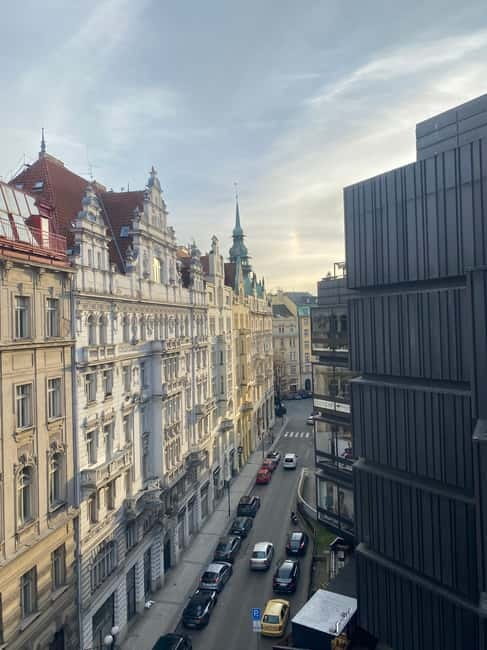
Old Town: familiar sights with a different story
The Old Town portion lasts about an hour. You are still in the part of Prague that fills most first-time sightseeing plans, but the subject changes what you notice.
Instead of focusing only on medieval buildings and famous squares, you look at the city through the political events of the twentieth century. The guide explains where major moments unfolded and how public spaces became settings for demonstrations, control, and change.
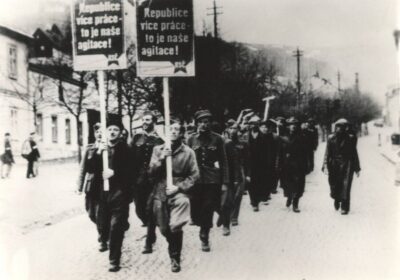
This is where old photographs can make a real difference. A current street can look polished and timeless, while a period image shows the same area under a different government, with different signs, uniforms, crowds, and public messages. Klara has been praised for bringing visual material on a standard page size, allowing the group to compare Prague before and after communist rule.
You will walk and listen rather than enter a long list of indoor sights, so comfortable shoes are sensible. The tour takes place rain or shine. Prague’s weather can shift quickly, and the guide’s blue umbrella is the main way to identify the group at the start, so bring suitable clothing rather than treating this as a fair-weather outing.
The Old Town section is also a good fit if you want history explained without an academic lecture. Guides such as Leo have used quiz questions between stops, while Klara has mixed humor with direct answers to difficult questions. That balance keeps the subject accessible without pretending that the era was simple.
New Town and the route toward Wenceslas Square
The route continues into New Town for another hour. This area gives the tour room to connect political history with the wider city.
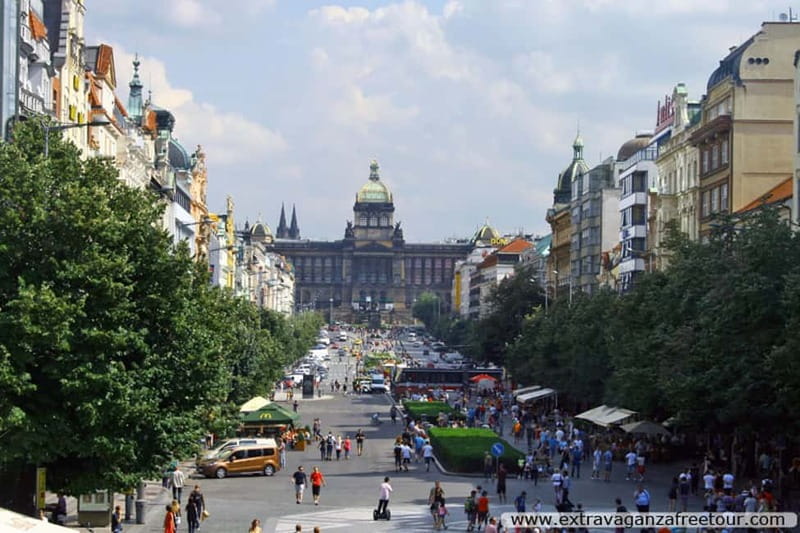
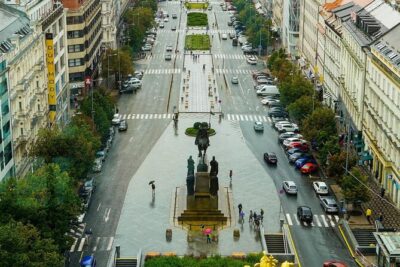
The walk includes Wenceslas Square, one of Prague’s major public spaces. Here, the story of protest and political change becomes especially clear. The guide places events such as the Prague Spring and the Velvet Revolution into a physical setting rather than treating them as names in a textbook.
That is the real value of the walking route. You are not simply told that change happened in Prague. You are shown how the city’s central streets became places where citizens gathered, watched events unfold, and made their feelings public.
The strongest guides also leave room for questions. Several guide names come up repeatedly in the material for good reason: Klara is praised for family experience and clear explanations, Leo for energy and interactive questions, and Tereza for her enthusiasm and broad grasp of the subject. Your guide will vary, but the format allows for conversation instead of a one-way speech.
This is useful if you already know the basic outline of Czech history. One person who lives in Prague still learned new details on the walk. That suggests the tour is not only for first-time visitors with no background. You can ask about political decisions, daily life, public memory, or the difference between official history and family experience.
The 1970s workers’ canteen break
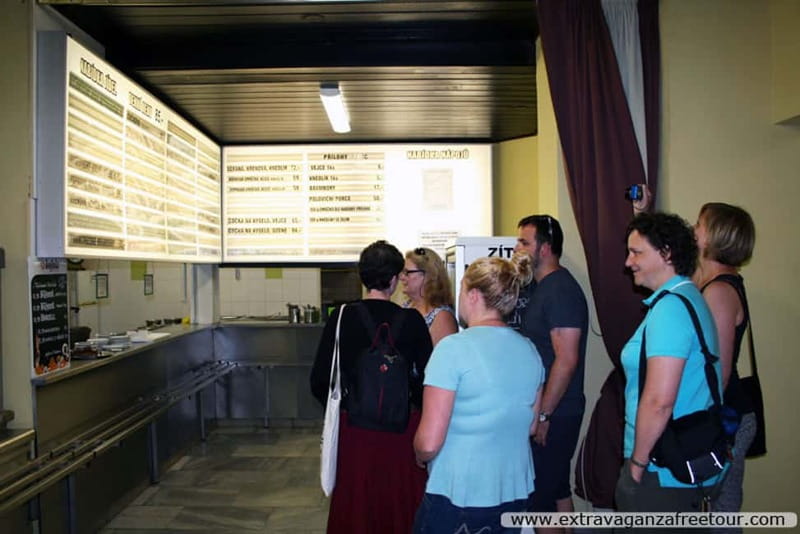
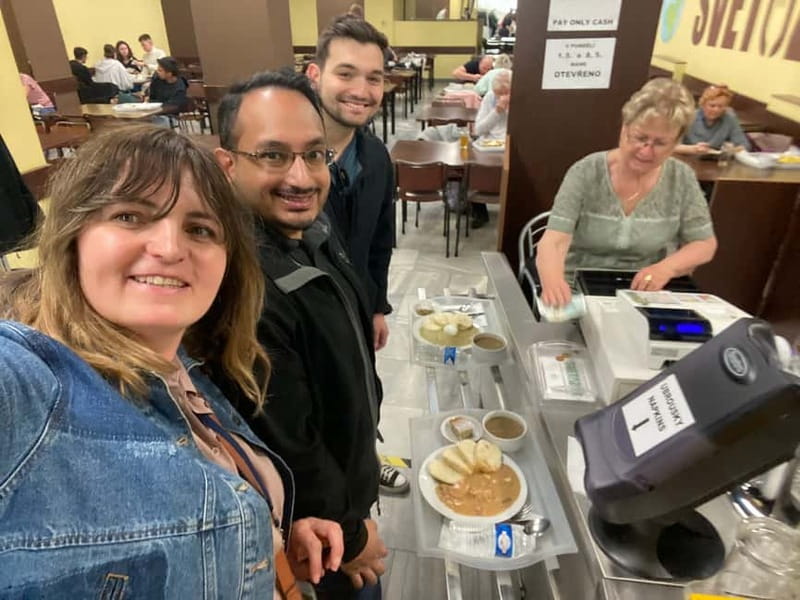
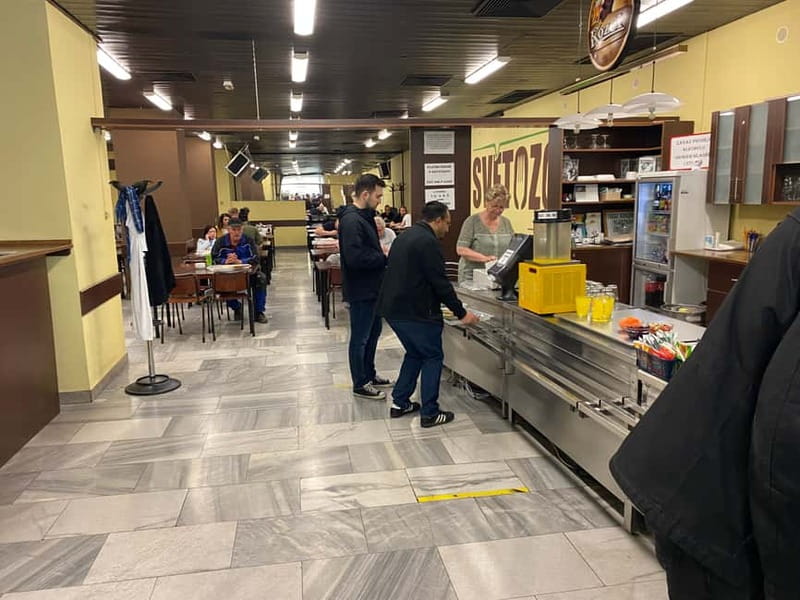
The four-hour option includes a 30-minute break at a retro working-class canteen styled after the 1970s. This is not a fancy restaurant stop, and that is precisely the point.
You can order a Czech meal or Kofola, the familiar Czech soft drink associated with the communist period. The food and drink are paid separately, so keep a little money available. The break also gives your feet a rest before the bunker visit.
A canteen adds a practical layer to the tour. You are not only hearing how people lived during the period. You are spending time in a setting meant to recall an everyday workplace meal. That makes the experience more grounded than a formal museum display.
Expect the canteen to be part of the historical setting rather than a food-focused excursion. The supplied information does not promise a set menu or a meal included in the tour price. If you mainly want Czech food, treat this as an optional taste of the period, not as a full culinary tour.
The break can also be flexible. One family group had a guide willing to adjust the pause, and another guide helped the group find traditional cake and pointed out Czech chocolate brands that survived the end of communism. These small touches show how the stop can become more than a scheduled meal, though exactly what happens depends on your guide and group.
A few more Prague half-days worth weighing up
- Prague: 50-Minute Sightseeing Evening Cruise
★ 4.2 · 33,780 reviews - Prague: Medieval Dinner with Unlimited Drinks
★ 4.4 · 19,847 reviews - Prague: Skip-the-line Castle Ticket and Optional AudioGuide
★ 4.3 · 11,121 reviews - Prague: Castle Tour with Local Guide and Entry Ticket
★ 4.6 · 10,422 reviews
Inside the 1950s nuclear bunker
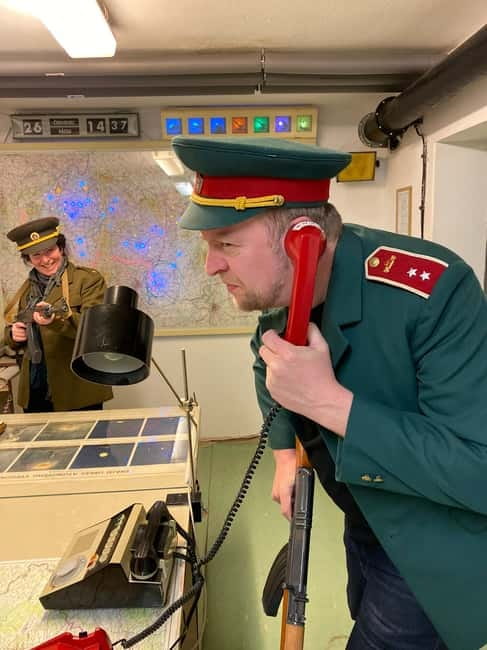
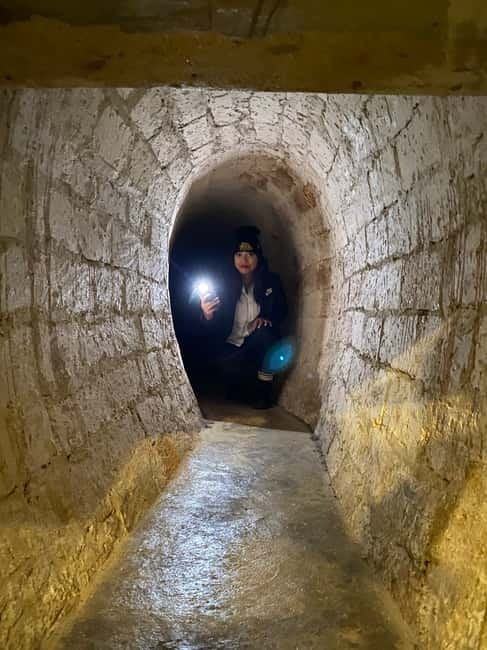
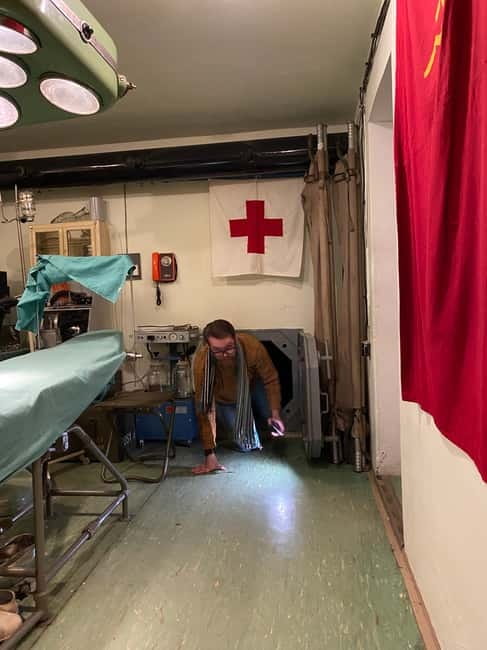
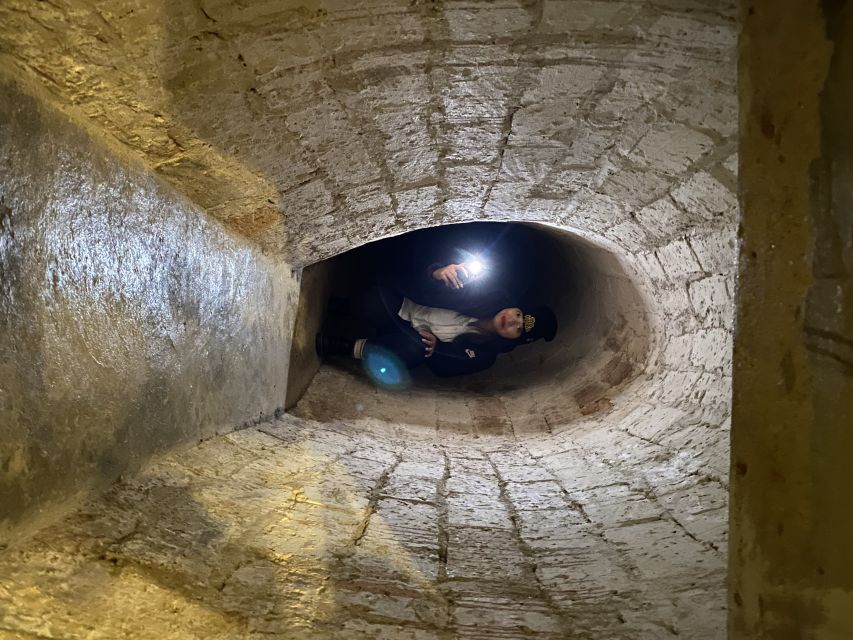
The bunker is the extended tour’s main extra, and it changes the mood at once. You leave the open streets and enter an authentic Cold War-era nuclear shelter built in the 1950s.
The entry fee is worth 250 CZK, or about €10, and is included when you choose the four-hour option. The guide also leads the bunker visit, so you get explanation rather than simply walking through bare rooms.
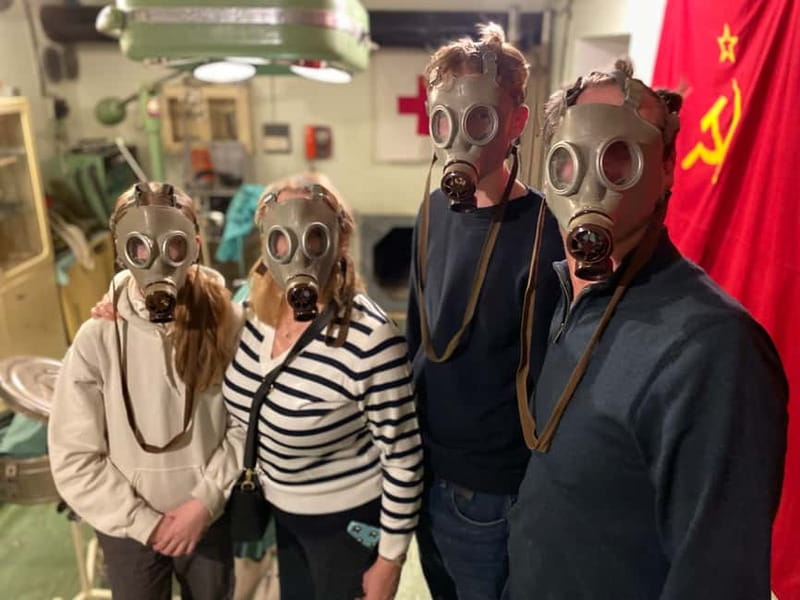
The bunker captures the fear of the early Cold War. Its value is not just the concrete, equipment, or underground setting. It helps you understand how seriously nuclear conflict was considered and how civil defense shaped public thinking.
The visit is also interactive. You might have the chance to handle or try on period equipment and uniforms, and guides have allowed time for photographs. Some guides use role-play to explain what different functions in the bunker involved. That makes the visit more memorable, especially for families and younger visitors who may find a purely verbal history lesson harder to follow.
Still, consider your comfort before booking. The tour information specifically says the experience is not suitable for people with claustrophobia. You should also expect a change of pace from the outdoor walk. The bunker is designed to feel authentic, not polished or spacious.
The extended tour is best for you if the physical setting matters as much as the story. If you prefer architecture, open-air sightseeing, and a shorter schedule, the two-hour walk may be enough.
What the $33 price really includes
At $33 per person, the tour offers good value if you choose the four-hour version and make use of the bunker admission. The €10 entry fee is already covered, and you receive a communist-era pin as a souvenir.
The two-hour option is a better comparison with a standard city walking tour. You are paying for an English-speaking local guide and a focused route through Old Town and New Town. Its value depends on how much you want interpretation rather than independent sightseeing.
The canteen meal is not included. That is worth noting because the headline experience may sound like a tour with lunch, but the food or Kofola is your own expense. On the other hand, you are not paying for a meal you may not want, and the 30-minute stop lets you choose how much to buy.
The group limit is 15 people. That is not a private tour, but it is small enough for questions and conversation. If you are lucky enough to have a smaller group, the guide may have more freedom to adjust the discussion or break.
Free cancellation is available up to 24 hours before the start, and you can reserve now and pay later. Those policies help if your Prague plans are still shifting. Check the exact starting time when booking, since the tour runs at set times that vary by availability.
How the guides bring the period to life
The guide can make or break a history walk, and this experience puts a lot of weight on that role.
Klara has been singled out for her friendly manner, humor, and family experience behind the Iron Curtain. She has answered difficult questions directly, shown old photographs, and connected political events with everyday life. She has also made space for small practical moments, such as helping a group find snacks or pointing out Czech sweets.
Leo’s style is more interactive. He has used quiz questions between stops and brought energy to a subject that could otherwise become heavy. He has also explained life under communism from the viewpoint of both ordinary people and those in positions of authority.
Tereza has been praised for enthusiasm and a strong command of the subject. You may not have one of these specific guides, but their different strengths show what to look for: clear storytelling, willingness to answer questions, and a sense of how much detail a group can absorb.
The personal material is useful, but it should be treated as context rather than a substitute for the full historical record. Family experience can show what life felt like, while the wider timeline explains why events happened. The best part of this tour is the combination.
Who should choose the two-hour tour?
Pick the two-hour option if you want a focused introduction to Prague under communism without giving up most of your day.
It suits you if you already have a packed sightseeing plan, want to understand the major events before visiting other historical sites, or prefer walking outdoors to spending time underground. It also makes sense for visitors who are curious about the subject but not ready to commit four hours.
You still get the Old Town and New Town route, an English-speaking local guide, and the communist-era pin. You do not get the canteen break or bunker entry, so this version is more about the city streets and political timeline.
Who should choose the four-hour tour?
The four-hour option is the stronger choice if you want the most distinctive parts of the experience.
Choose it if you like hands-on history, period settings, old photographs, and personal stories. The canteen gives you a short break and a taste of everyday life, while the bunker supplies the physical atmosphere that a street walk cannot provide.
Families may appreciate the bunker’s uniforms, equipment, photographs, and role-play. History fans will likely value the extra context and the chance to ask detailed questions. You should skip it if underground spaces make you uneasy or if you want a relaxed sightseeing day with few scheduled elements.
The longer tour also gives you more time with the guide. Since the strongest part of the experience is the conversation, that extra time matters.
Meeting point, finish, and practical planning
Meet at the Powder Tower on Náměstí Republiky, also called Republic Square. Look for a guide with a blue umbrella.
The route covers Old Town and New Town on foot. The listed finish is Jalta Boutique Hotel, while the meeting information says the activity ends back at the meeting point, so confirm the exact end location when you book if you have a tight reservation afterward.
The tour is offered in English. It runs in rain or shine, and starting times depend on availability. Wear shoes suited to city walking, bring weather protection, and allow flexibility for the longer route.
Your group may be as large as 15 people, though it can be smaller. You will receive an original communist-era pin, a small but fitting souvenir that costs little space in your luggage.
Should you book this Prague communism tour?
Yes, if you want Prague’s twentieth-century story explained by a local guide rather than reduced to a few dates on a plaque.
I would choose the four-hour version for the bunker, canteen, and extra time for questions. At $33, the included bunker admission makes that option especially appealing, provided you are comfortable underground and understand that lunch costs extra.
Choose the two-hour walk if your schedule is tight or you mainly want the historical route through Old Town and New Town. Either way, this is a good match for curious visitors who want personal stories, clear context, and a look at how ordinary Prague life changed under communism.
FAQ
Where does the tour start?
It starts at the Powder Tower on Náměstí Republiky, also known as Republic Square. Look for guides holding a blue umbrella.
What languages are available?
The tour is conducted in English with a live English-speaking guide.
How long does the experience last?
You can choose between a two-hour walking tour and a four-hour tour that adds the canteen break and nuclear bunker visit.
What historical events are covered?
The tour discusses the 1948 Communist coup, the Prague Spring, and the Velvet Revolution of 1989, along with wider life in former Czechoslovakia.
Is the nuclear bunker included?
Bunker admission is included with the four-hour option. The entry fee is listed as 250 CZK, or about €10.
Is lunch included in the price?
No. The four-hour tour includes a 30-minute break at a 1970s-style workers’ canteen, but any meal or Kofola is at your own expense.
Is the tour suitable for people with claustrophobia?
No. The activity information states that it is not suitable for people with claustrophobia because the extended tour enters a nuclear bunker.
How large is the group?
The group size is limited to 15 people.
What happens if it rains?
The tour takes place rain or shine, so bring suitable clothing and footwear for walking outdoors.
Can I cancel the booking?
You can cancel up to 24 hours in advance for a full refund. A reserve-now, pay-later option is also available.
Just added around Prague
- WWII and Communism History in Prague’s Old Town Private Tour★ 5.0 · 4 reviews
- World War II 4WD Tour from Prague with Lunch★ 4.4 · 3 reviews
- Wroclaw to Prague: 2-in-1 (Private Transfer + Country Tour)★ 5.0 · 4 reviews
- Prague: Historical Walking Tour with Focus on World War 2★ 4.3 · 12 reviews
- Walking tour of Prague in french: Old Town & Charles Bridge★ 4.9 · 62 reviews
- Ultimate Unlimited Beer Pong with Czech Beer★ 4.6 · 5 reviews
- Walking tour of Prague in French : Nové Město★ 4.9 · 16 reviews
- Prague: Modern Private Spa with Jacuzzi and Sauna★ 4.8 · 62 reviews
Communism Tours, compared.
Communism History and Nuclear Bunker Guided Tour
Read our review →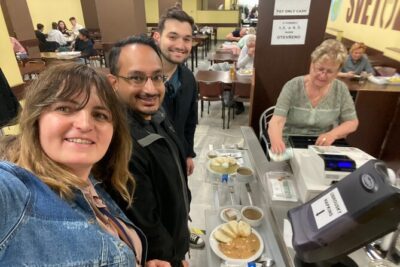
Communism & Nuclear Bunker Tour + 70s Canteen Lunch (own expense)
Read our review →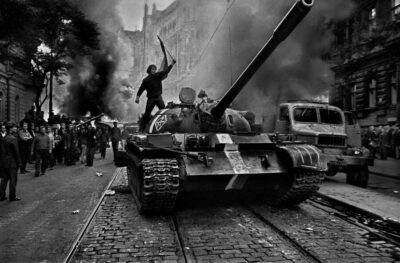
Second World War & Communism (Tip-based 3 hour tour)
Read our review →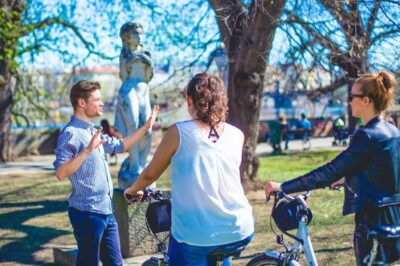
Browse the lists this tour appears in