
Reviewed · WORLD WAR II TOURS
World War II 4WD Tour from Prague with Lunch
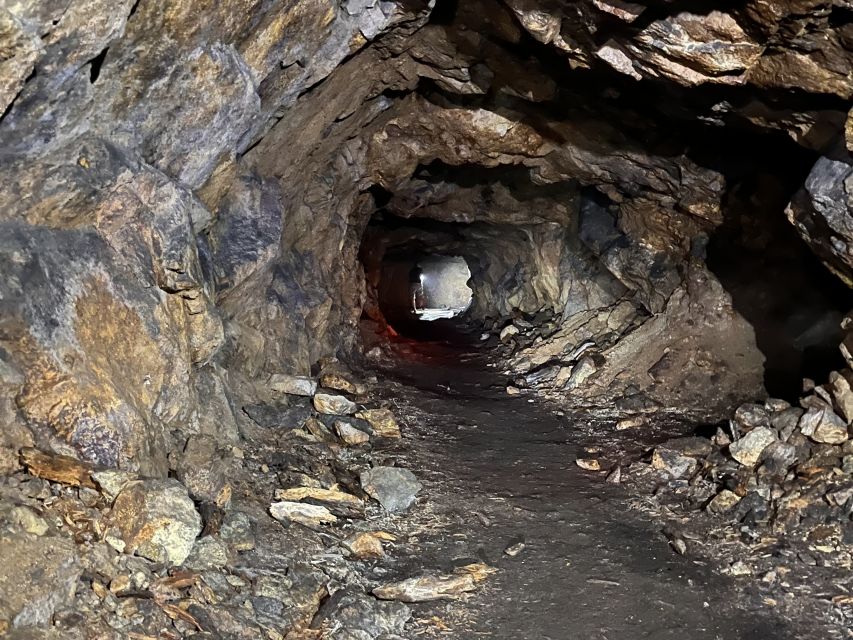
The most striking part of this tour is its hands-on WWII setting. You begin in an authentic underground shelter filled with original documents, personal IDs, maps, weapons, and other objects, then head into the countryside where fuel production, forced labor, bombing raids, and military defenses shaped daily life.
I like the tiny group size, limited to six, and the chance to ask Martin about Czech history, traditions, and modern life as well as the war. I also like that lunch is treated as part of the experience, not an afterthought: you get an à la carte Czech meal in a local restaurant, with beer included. The main consideration is the price, $293 per person, and the fact that this is an outdoor history trip, not a polished museum visit.
Key points at a glance
- Original underground shelter: Handle and examine wartime documents, IDs, maps, weapons, and other surviving objects.
- Former Sudetenland: Travel about an hour northwest of Prague into an area shaped by Nazi occupation and postwar change.
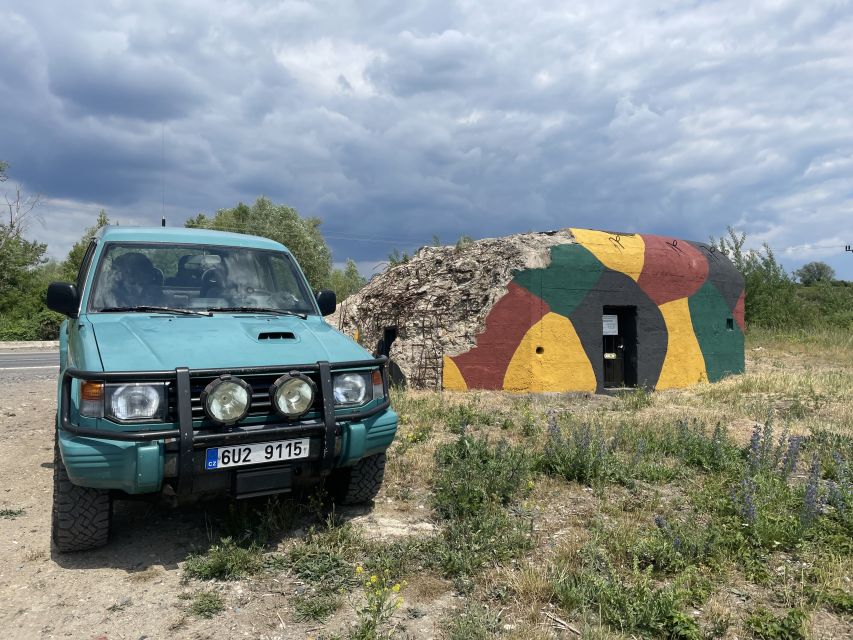
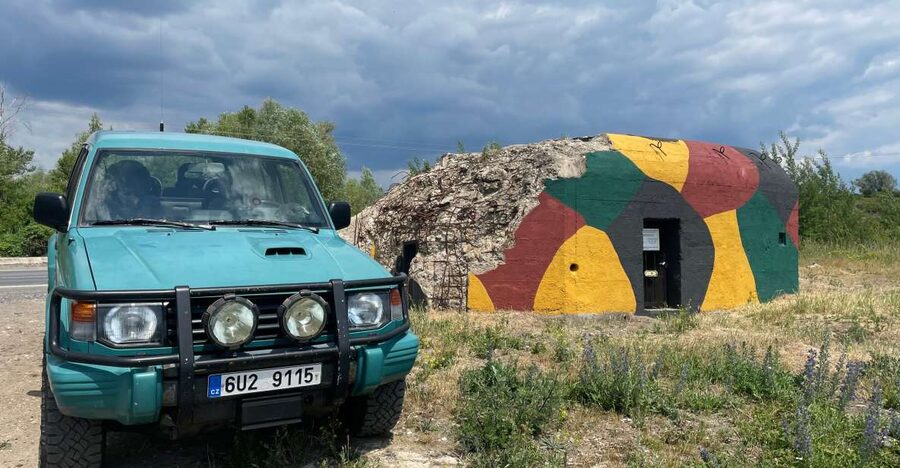
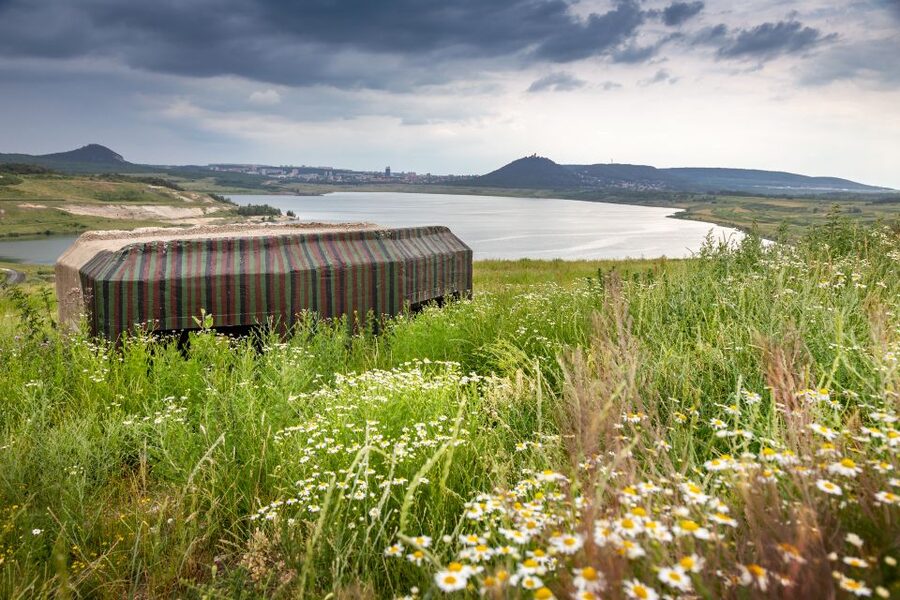
- WWII military remains: See bunkers, shelters, air-raid shafts, former camps, industrial ruins, and aircraft debris.
- Small 4WD group: The vehicle carries no more than six participants, making conversation with the guide easy.
- Local lunch included: Stop for an à la carte Czech meal with unlimited beer during lunch and bottled water throughout the trip.
- Seven-hour outing: Hotel pickup and return make this a full-day excursion beyond Prague’s historic center.
Why this tour reaches beyond Prague
Prague is filled with castles, churches, memorials, and museums, but much of the Czech Republic’s wartime story sits outside the capital. This trip takes you into former Sudetenland, roughly an hour from Prague in northwest Bohemia.
The term Sudetenland carries a complicated story. It refers to border areas of Czechoslovakia with large German-speaking populations before World War II. Nazi Germany annexed these regions in 1938 after the Munich Agreement. The area then became part of the machinery of occupation, military production, forced labor, and persecution.
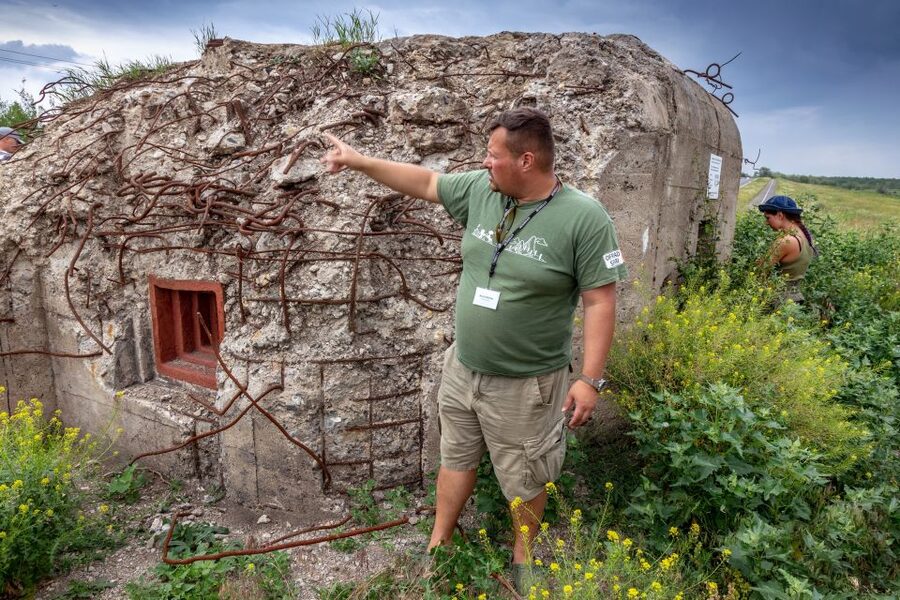
You will not simply drive past scenery while someone recites dates. The route connects physical remains to the wider story. A bunker shows how the country prepared for conflict. A shelter reveals how civilians and workers sought protection. An abandoned industrial site points to the pressure placed on the region to support Nazi fuel production.
That connection between objects and places is the tour’s real value. You can see an original document indoors, then go outside and view the countryside where those systems operated. For anyone who already knows the basic outline of World War II, this adds local scale and human detail.
More countryside 4WD days out of Prague:
- Countryside, Czech Garnet Panning, Farm,Lunch&Beer 4WD Adventure
★ 5.0 · 49 reviews - World War II 4WD Tour from Prague with Lunch & Beer
★ 5.0 · 36 reviews - Private PICNIC in Bohemian Vineyards and Wine Tasting 4WD Tour
★ 5.0 · 9 reviews
Starting inside an original underground shelter
The first major stop lasts about an hour and takes place in an authentic underground shelter. This gives the day a strong beginning because you are introduced to the subject through objects you can see and touch, rather than through a distant display case.
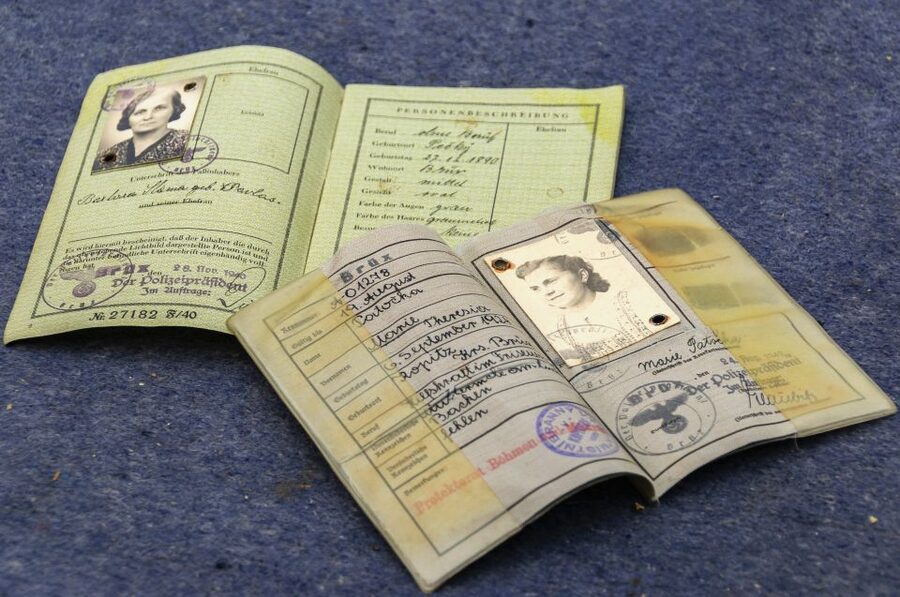
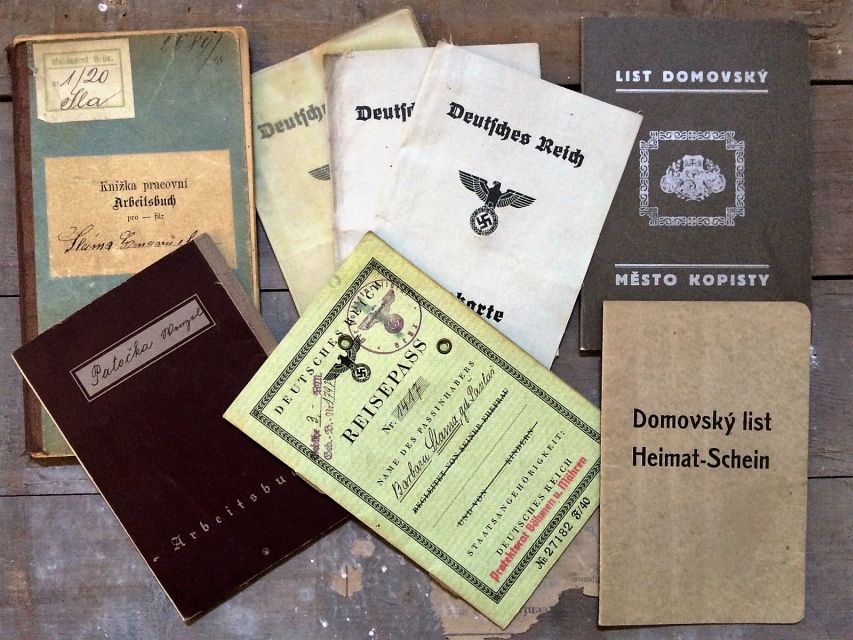
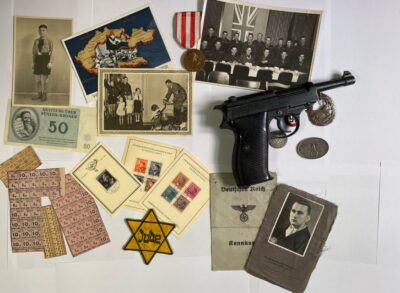
The collection includes original personal IDs, wartime documents, maps, Nazi weapons, and other items connected with the period. The information provided does not specify every object or its condition, so you should expect a personal historical presentation rather than a formal museum catalogue.
That distinction matters. The shelter is likely to appeal most if you enjoy asking questions and examining physical evidence. Martin is available to explain the difficult history and to discuss how occupation affected Czechoslovakia and the Sudetenland.
The setting also gives the first part of the tour a serious tone. These are not props created for a themed attraction. The objects come from a period of occupation, forced labor, bombing, and military conflict. You should approach them with care and respect, especially when handling original material.
Comfort is basic here. Wear outdoor clothing and comfortable shoes, since the day includes shelters and countryside stops rather than only paved indoor attractions.
Riding into the former industrial zone
After the opening visit, you continue by 4WD through the countryside. The drive is not merely transportation between attractions. It is part of the explanation of how the region was used during the war.
The route includes the remains of a huge petrochemical factory built under Nazi control. Prisoners of war and forced laborers were used in its construction and operation. The tour refers to this system as Totaleinsatz, a reminder that industrial production depended on people who had been deprived of freedom and basic rights.
You may see former camps, industrial remains, bunkers, shelters, and air-raid shafts connected with this period. The details supplied for the tour do not promise that every stop is preserved as a complete structure. Expect remnants spread through the countryside, not a neatly arranged war park.
That can be a strength. You are looking at a working region that was later abandoned, altered, or absorbed into ordinary life. The remains may require imagination, careful listening, and patience. If you want polished exhibits with labels at every turn, a city museum may suit you better. If you want to understand how wartime sites fit into their surroundings, this outing offers more.
The 4WD vehicle matters because the tour visits scattered locations rather than one central museum. The group remains small, with a maximum of six people, so you can ask questions without having to compete with a large crowd.
Following the bombing story
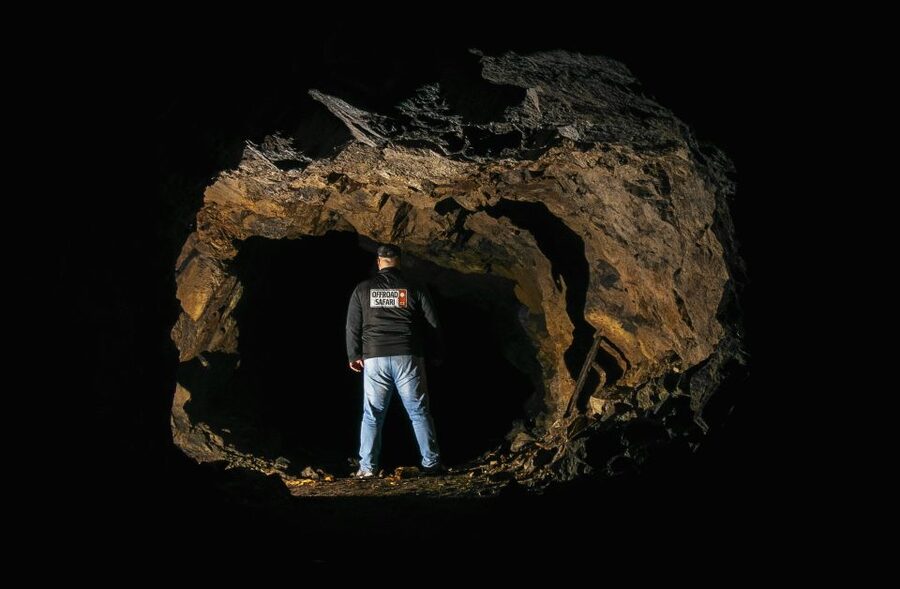
The petrochemical factory was a target for heavy Allied bombing. The tour explains attacks by the Royal Air Force and the US Eighth Air Force, which sought to stop Nazi fuel production.
This part gives the military story a clear purpose. Bombing was not random destruction. Fuel production supported aircraft, vehicles, and wider military operations, so cutting those supplies became a major Allied goal. At the same time, bombing brought danger to workers, nearby communities, and prisoners held at forced-labor sites.
You will also hear stories connected with pilots who were shot down in the area. The tour includes shut-down aircraft debris, giving you a physical link to the air war. The information provided does not identify the aircraft models or promise a complete crash site, so the exact presentation may depend on what remains at the stops.
For me, this is where the day’s different threads meet. The shelter represents protection below ground. The factory explains why the area was attacked. The aircraft debris points to the people in the sky and the danger faced by crews on both sides.
The subject is difficult, and the experience is not designed as light sightseeing. Families with older children may find it meaningful, but parents should decide if their children are ready for discussion of occupation, forced labor, bombing, and wartime deaths. The stated age range is broad, from eight to ninety-nine, though personal maturity matters more than the number.
More wartime history days near Prague:
- Prague: WWII Guided Tour & The Crypt of Operation Anthropoid
★ 4.7 · 1,030 reviews - WWII in Prague Tour & The Crypt of Operation Anthropoid
★ 5.0 · 817 reviews - Small-Group World War 2 & Operation Anthropoid Tour in Prague
★ 5.0 · 231 reviews - Prague: World War 2 and Operation Anthropoid Walking Tour
★ 4.8 · 193 reviews
Lunch with Czech food and conversation
A local restaurant stop lasts about an hour. Lunch is à la carte, so you are not limited to a fixed meal chosen in advance. The package also includes beer during lunch and bottled water on board.
This is one of the tour’s practical strengths. A seven-hour outing needs a real break, and a local meal gives you time to rest after walking around outdoor sites. The lunch also keeps the day connected to present-day Czech life rather than leaving you focused only on wartime ruins.
The price includes unlimited beer consumption during the lunch. Drink responsibly, particularly because the tour continues afterward and includes outdoor stops. Bottled water is available throughout the day, which is useful during warmer weather or when you are spending time away from town.
One useful detail is the quality of the meal described in the supplied feedback. The lunch was considered one of the best meals during that visitor’s stay, and it was specifically appreciated as a proper local restaurant meal rather than a basic tour stop. That makes the food a meaningful part of the value, though menus and dishes can change.
Martin also uses the meal as a chance to answer questions beyond World War II. You can ask about Czech traditions, democracy, history, and ordinary life. For many people, that informal conversation will be as memorable as the bunkers.
What the small group changes
With a maximum of six participants, the tour has a personal feel that large bus excursions cannot match. You can ask for clarification when a story is complicated, spend a little longer looking at an object, or bring up a subject that interests you.
The guide is listed as Martin in the tour information, and one booking described him as the owner and guide. That means the person explaining the sites has a direct connection with the company and can speak about the tour’s purpose in a personal way.
The small vehicle also helps with the long day. Instead of spending hours waiting for a large group to board, you can move between the stops at a more relaxed pace. Hotel pickup and return in Prague remove the need to arrange regional transport on your own.
There is a larger group option for company events, up to twenty-five people, but the regular experience is limited to six. If you are booking for a private event, confirm the exact format before paying, since the small-group arrangement is one of the tour’s main advantages.
Is $293 a fair price?
At $293 per person, this is an expensive day trip. You are paying considerably more than you would for a standard group excursion to a nearby town or castle.
The price becomes easier to assess when you count what is included: hotel pickup and drop-off in Prague, a licensed English-speaking guide, 4WD transportation, a seven-hour schedule, a local à la carte lunch, beer with lunch, bottled water, and a maximum of six people.
You are also paying for access to a specialized subject. This is not a general sightseeing loop with a few war-related comments. The tour is built around original objects, scattered military remains, forced-labor history, fuel production, air raids, and aircraft losses.
I would consider it good value for a history-focused visitor who wants a private-feeling day and would otherwise need to arrange a car, regional route, local guide, and restaurant independently. It is less appealing if you are mainly looking for scenic driving, famous monuments, or the cheapest way out of Prague.
The supplied rating is 4.4 from three bookings, with two five-star ratings and one three-star rating. That small number is not enough to treat the score as a final verdict, but it does show the experience may not suit everyone equally. Your enjoyment will depend heavily on your interest in military history and your comfort with outdoor, partly rustic sites.
Who should book this day?
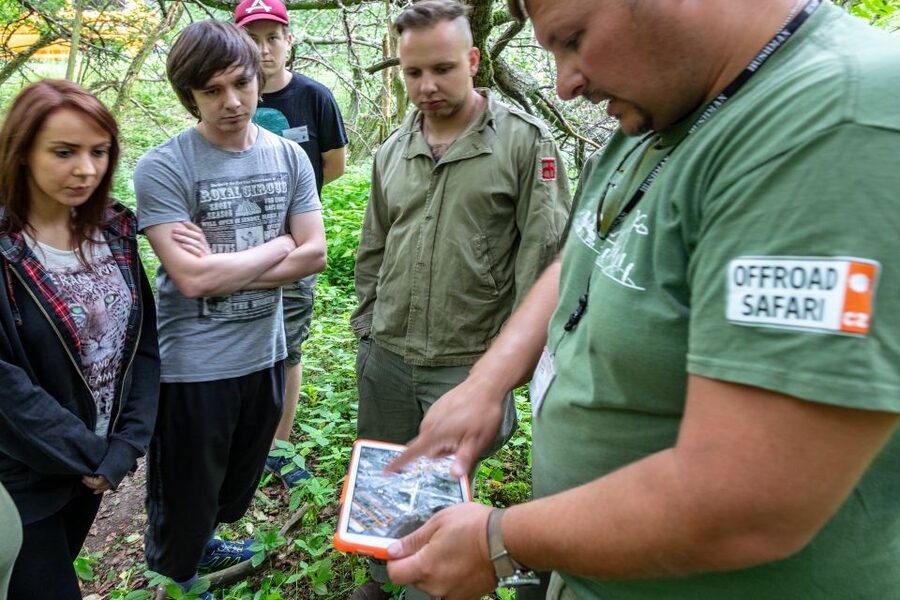
I would recommend it to adults and families with children from about eight upward who enjoy asking questions and examining real objects. It is especially suitable for someone who has already seen Prague’s main museums and wants to understand what happened beyond the capital.
It also suits visitors who prefer a guide-led day to independent research. The subject includes occupation, Sudetenland, forced labor, Nazi industry, Allied bombing, and Czech history after the war. A guide can connect those subjects in a way that is difficult to achieve from scattered online information.
You may want to skip it if you dislike war history, are looking for a gentle sightseeing day, or need fully accessible facilities. The tour is not suitable for wheelchair users, and the outdoor clothing and comfortable shoes requirement suggests that some walking around uneven or basic sites is part of the day.
The tour is also a good choice if conversation matters to you. Martin welcomes questions about Czech traditions and democracy, not only military facts. That makes the outing feel broader than a battlefield tour.
Practical tips for a better day
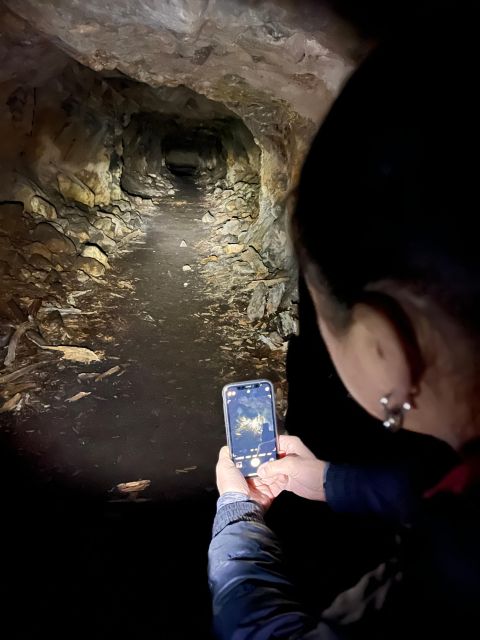
Wear sturdy, comfortable shoes and clothing suitable for outdoor conditions. The stops include shelters, bunkers, air-raid shafts, countryside sites, and industrial remains, so you should not dress as if you are spending the whole day in central Prague.
Wait in your hotel lobby five minutes before the scheduled pickup. The tour includes transport from Prague, so you do not need to arrange a separate meeting point in the city.
Keep some flexibility in your expectations. The day includes a one-hour guided tour, a two-hour visit, lunch for about an hour, and another visit of roughly thirty minutes, but the drive between Prague and the sites also forms part of the seven-hour schedule.
Bring questions. You can ask about the Sudetenland, occupation, Czech customs, democracy, the factory, the bombing campaign, or the aircraft debris. The small group makes this much easier than on a large coach tour.
Should you book it?
Book this tour if you want serious WWII history outside Prague, original objects, scattered bunkers, industrial remains, and a guide-led look at how occupation affected one part of Czechoslovakia. The shelter, small group, and proper Czech lunch give the day more substance than a simple drive past ruins.
Think twice if $293 feels too high for a day away from the city or if you prefer polished museums and major landmarks. This is a specialized, outdoor experience with difficult subject matter and some basic sites.
For history-minded visitors, I would put it on the shortlist, especially if you value personal conversation and do not want to organize a remote regional trip yourself.
FAQ
How long does the WWII 4WD tour from Prague last?
The tour lasts seven hours, including pickup and return to your hotel in Prague.
What areas does the tour visit?
It travels from Prague into former Sudetenland in northwest Bohemia, about an hour from Prague.
How many people can join the regular tour?
The regular small group is limited to a maximum of six participants.
Who guides the tour?
The tour has a live English-speaking guide. The information identifies the guide as Martin, who is also described as the owner of the operating company, Offroadsafari.cz.
What can I see during the tour?
The experience includes an underground WWII shelter, original documents and personal IDs, maps, weapons, bunkers, shelters, air-raid shafts, former camps, industrial remains, and aircraft debris.
Is lunch included?
Yes. A local à la carte lunch in a restaurant is included, along with beer during the lunch and bottled water during the tour.
Is hotel pickup available?
Yes. Pickup and drop-off at your hotel in Prague are included. You should wait in the hotel lobby five minutes before the scheduled pickup time.
Is the tour suitable for wheelchair users?
No. The tour is not suitable for wheelchair users. Comfortable shoes and outdoor clothing are recommended.
Just added around Prague
- WWII and Communism History in Prague’s Old Town Private Tour★ 5.0 · 4 reviews
- Wroclaw to Prague: 2-in-1 (Private Transfer + Country Tour)★ 5.0 · 4 reviews
- Prague: Historical Walking Tour with Focus on World War 2★ 4.3 · 12 reviews
- Walking tour of Prague in french: Old Town & Charles Bridge★ 4.9 · 62 reviews
- Ultimate Unlimited Beer Pong with Czech Beer★ 4.6 · 5 reviews
- Walking tour of Prague in French : Nové Město★ 4.9 · 16 reviews
- Prague: Modern Private Spa with Jacuzzi and Sauna★ 4.8 · 62 reviews
- Unique salt cave in Prague★ 4.9 · 10 reviews
World War II Tours, compared.
WWII Guided Tour & The Crypt of Operation Anthropoid
Read our review →
Small-Group World War 2 & Operation Anthropoid Tour in Prague
Read our review →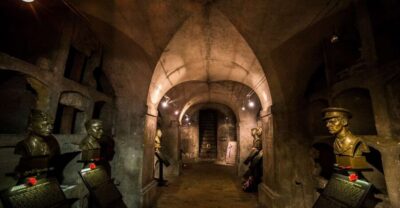
World War 2 and Operation Anthropoid Walking Tour
Read our review →
Second World War & Communism (Tip-based 3 hour tour)
Read our review →Browse the lists this tour appears in