
Reviewed · WALKING TOURS
Prague: Highlights Walking Tour to the German embassy 1989
The most moving moment here comes at the German Embassy, where you look up at the balcony tied to Hans-Dietrich Genscher’s famous 1989 announcement. This is not just a sightseeing walk. It connects Prague’s streets with the fall of communism, the East German refugee crisis, and the people caught inside those events.
I like the way the tour joins major Prague sights with 20th-century politics, rather than treating the city as a collection of pretty views. I also like the personal link to Jan Palach and the Lennon Wall, which gives the walk a human scale. The main drawback is that the route covers a lot in 150 minutes, and the German Embassy is viewed from outside. The walk is not suitable for people with mobility impairments.
Key points to know before booking
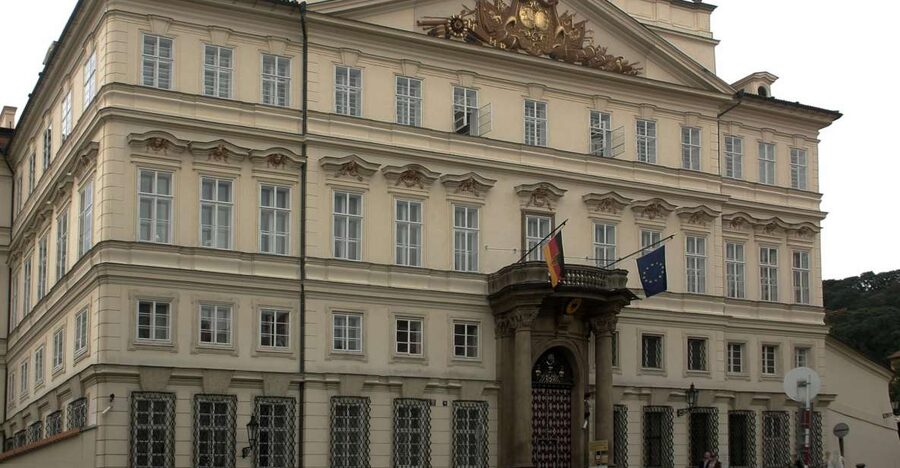
- The German Embassy is the emotional finish: You see the building and famous balcony connected with Genscher’s 1989 speech, but the interior is not open to the public.
- The route crosses several Prague districts: Expect Old Town, Josefov, Charles Bridge, Lesser Town, Wenceslas Square, and Malostranské náměstí.
- Jan Palach’s story gets real attention: Jan Palach Square and the student’s 1968 fate put Prague’s political history into a personal frame.
- The tour is conducted in German: David Klaus is named as a guide, and a private group option is available.
- You get both landmarks and context: The Old Jewish Cemetery, Lennon Wall, National Museum, and Velvet Revolution Memorial are tied to the city’s changing political life.
- The walk costs $32 per person: That is a fair price for 150 minutes with a licensed guide, especially if you want history explained rather than simply pointed out.
Why this Prague history walk is different
Many city walks focus on Prague’s medieval center, Gothic towers, and grand squares. This one uses those places as a stage for the city’s modern political story. You still see the Charles Bridge and the Old Town, but the guide’s main thread runs through 1968, 1989, the end of communist rule, and the German Embassy refugee crisis.
That makes the tour a good choice if you want more than a quick introduction to Prague’s architecture. You will hear about the Prague Spring, the Soviet-led suppression that followed, Jan Palach’s protest, and the Velvet Revolution. The story then moves beyond Czechoslovakia to East German citizens who escaped through Poland and Hungary and gathered at the West German Embassy in Prague.
I especially like that this history is attached to actual places. A square becomes the setting for remembrance. A wall becomes a changing public memorial. A balcony becomes the point where a diplomatic announcement brought relief to people waiting below. The walk asks you to notice the city as a place where political events happened, not just where historic buildings survived.
The tour lasts 150 minutes, or two and a half hours. That gives you enough time to cover a wide section of central Prague, but it also means the pace may feel purposeful rather than leisurely. You will stop for photographs and short explanations, then continue through the city.
More Walking Tours in Prague:
- Prague: 3-Hour Walking Tour of Old Town & Prague Castle
★ 4.7 · 5,696 reviews - Prague: Ghost Walking Tour Where Legends Come To Life
★ 4.4 · 5,253 reviews - Prague: Jewish Quarter Walking Tour with Admission Tickets
★ 4.7 · 3,729 reviews
Starting at the Faculty of Law
The usual meeting point is in front of the Faculty of Law at Charles University, at náměstí Curieových 7 in Prague’s Old Town. If you arrive by metro, use Staroměstská station and walk about 550 meters. Tram 17 stops at Právnická Fakulta, which is another useful option.
An optional pickup is available from hotels in Prague 1, 2, or 3, or from central Prague near the Můstek metro station. Confirm the selected pickup option when booking, since the starting point depends on the choice you make.
Beginning near the Faculty of Law places you close to the river and the northern edge of the Old Town. The walk then moves into areas where Prague’s Jewish quarter, civic squares, bridges, and political memorials sit close together. Wear comfortable shoes. Even though the route is central, this is a walking tour with several stretches on foot and historic paving underfoot.
Josefov and the Old Jewish Cemetery
The first part of the route includes the Old Jewish Cemetery and Josefov, Prague’s former Jewish ghetto. The stops are listed as photo stops, so you should not expect a long interior visit or an extended cemetery tour as part of this experience.
Still, this area adds an important layer to the walk. Josefov is one of Prague’s most concentrated historic neighborhoods, and the Old Jewish Cemetery is a place where the city’s past can be felt through its compact setting and old gravestones. Your guide can place the district within the larger story of Prague before the route turns toward the political history of the 20th century.
This is also a good early point to ask questions. The group is still near the start, and the guide’s explanations about Prague’s communities and changing borders can help you follow the later discussion about communism, Germany, and Central Europe.
Jan Palach Square and the memory of 1968
Jan Palach Square gives the tour one of its clearest human stories. Palach was a student at the Faculty of Philosophy, and his fate is linked to the Prague Spring of 1968, when reform efforts inside communist Czechoslovakia were crushed.
The tour does not treat Palach as a footnote. His story helps explain the mood of a country living under political pressure. It also shows why Prague’s modern history cannot be reduced to the single moment when the Velvet Revolution began in 1989.
You will stop for a guided explanation and photographs. The value here comes less from a dramatic attraction and more from understanding why this public space carries his name. I would pay close attention at this stop, especially if you are not familiar with the Prague Spring. It gives useful background for the later discussion of the fall of communism.
A few more Prague half-days worth weighing up
- Prague: 50-Minute Sightseeing Evening Cruise
★ 4.2 · 33,780 reviews - Prague: Medieval Dinner with Unlimited Drinks
★ 4.4 · 19,847 reviews - Prague: Skip-the-line Castle Ticket and Optional AudioGuide
★ 4.3 · 11,121 reviews - Prague: Castle Tour with Local Guide and Entry Ticket
★ 4.6 · 10,422 reviews
The Velvet Revolution Memorial
The Velvet Revolution Memorial is another guided stop, with about 15 minutes set aside for the visit. The term refers to the peaceful movement that helped bring communist rule in Czechoslovakia to an end in 1989.
This is where the tour’s timeline begins to gather force. You have already heard about 1968 and Palach. Now you move toward the events that changed the country two decades later. The guide connects the memorial with the wider political shift across Central Europe.
The stop is short, so you should not expect a full political lecture. What you get is a compact explanation tied to a place of remembrance. If you have already studied the Velvet Revolution, the guide’s local perspective may help put familiar facts into a Prague setting.
Crossing Charles Bridge with the Old Town behind you
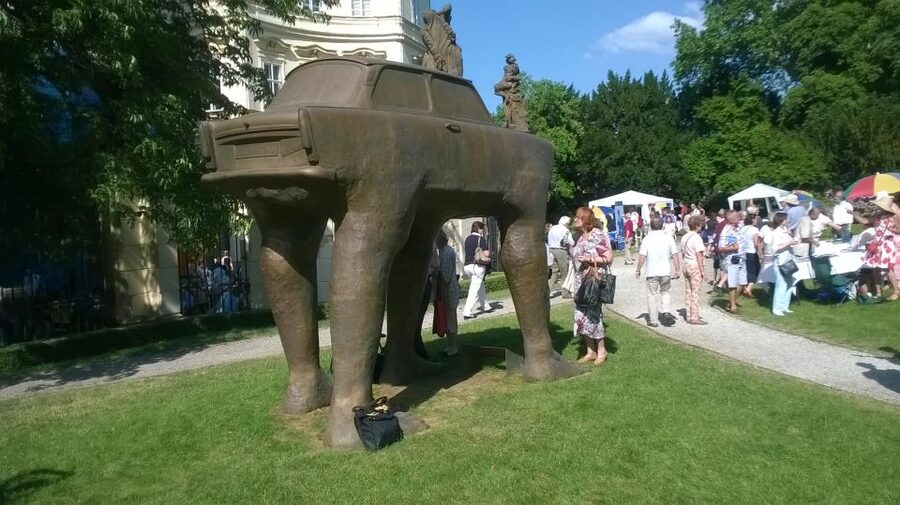
The walk across Charles Bridge lasts about 15 minutes and includes time for photographs, sightseeing, and explanation. This is one of Prague’s essential views, but here it also works as a transition between districts and themes.
You will see the river, the bridge statues, and the city rising on either side. The bridge can be crowded, and the route is not designed as a quiet photo session. Keep close enough to hear the guide, especially when groups of pedestrians pass through.
I like this part because it gives your eyes a break from political dates and memorials. Prague’s famous scenery remains part of the experience. At the same time, the guide keeps the walk focused on how the city’s streets connect its older identity with its modern political events.
John Lennon Wall and the language of protest
At the John Lennon Wall, you stop for photographs and a guided explanation. The wall is known for its changing messages and images, and it fits naturally into a tour about freedom, protest, and public expression.
The stop is brief, around 10 minutes. That is enough to look at the wall and understand its place in Prague’s modern story, but not enough for a long discussion of every layer of artwork. The wall changes over time, so the exact appearance you see is part of its appeal.
I find this stop useful because it shifts the tour from official monuments to a more informal form of public memory. The German Embassy story is about people seeking safety and political change. The Lennon Wall reflects the wish to express ideas in public. Together, the two stops show different sides of resistance and hope.
Wenceslas Square and the National Museum
The route continues to Wenceslas Square, with about 15 minutes for a visit and guided sightseeing. This broad central space has been tied to major public events, making it a natural location for a tour focused on Prague’s political changes.
The Prague National Museum is included as a shorter sightseeing stop of about five minutes. You should expect to see the building from outside rather than take part in a museum visit. The museum gives the square an imposing visual anchor, while the guide supplies the political context.
These stops are useful for orientation. Wenceslas Square is one of the places where Prague’s public life comes into view on a large scale. You may find the short timing a little tight if you want extensive photographs, so listen first and take pictures during the pauses.
Lesser Town and Malostranské Square
The walk then reaches Malostranské Square in Lesser Town. This area brings the route back toward the west side of the river and the German Embassy.
The itinerary includes a short stop at Malostranské Square, followed by about 10 minutes on foot before reaching the embassy. This final section is not simply a transfer. It gives the guide time to link the city’s political story with the 1989 refugee crisis.
The end point is Malostranské náměstí, so the tour finishes in a useful central location rather than at a remote site. The route does not return you to the original meeting point, which is worth remembering when planning your next activity.
The German Embassy and Genscher’s balcony
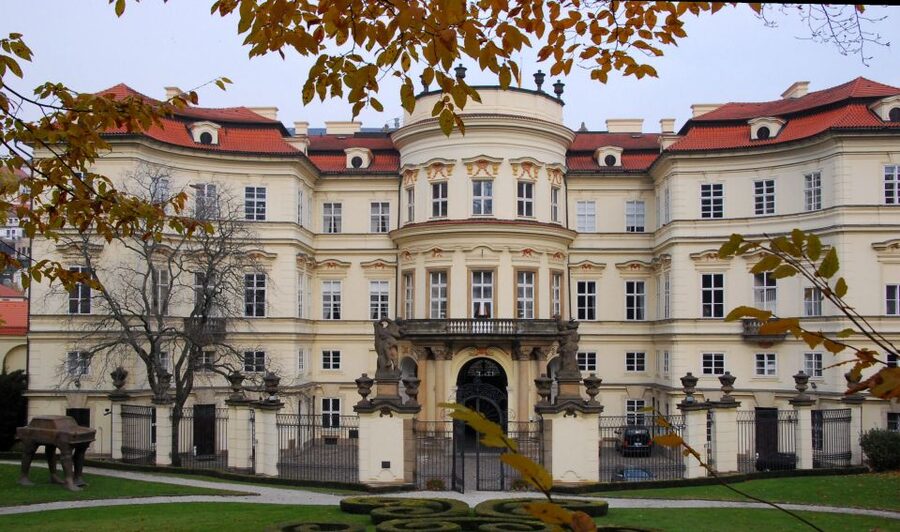
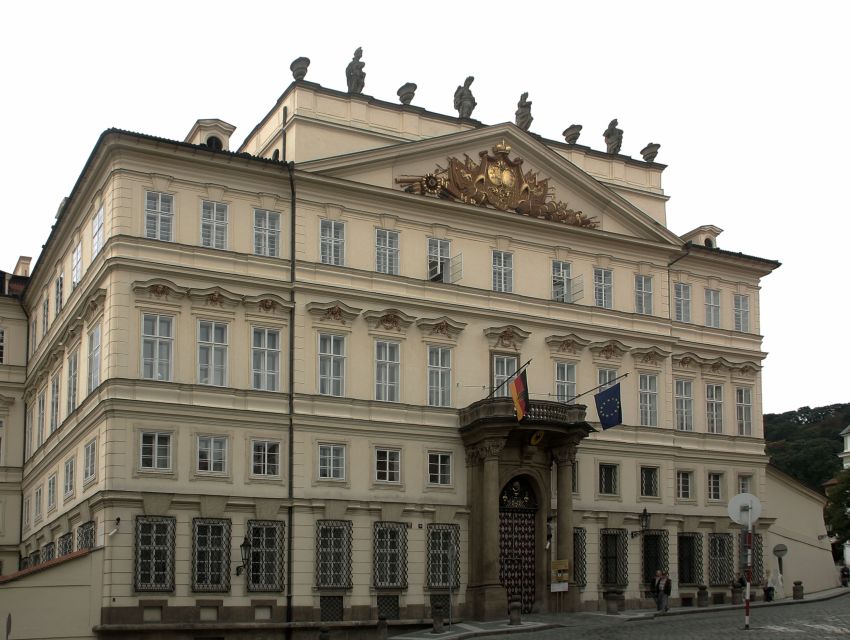
The final major stop is the German Embassy in Prague. You see the building from outside and are shown the balcony where West German Foreign Minister Hans-Dietrich Genscher made his famous speech in 1989.
The embassy itself is not open to the public. That limitation matters. You are not taking a guided tour of the grounds or entering the diplomatic building. The experience depends on the guide’s explanation and on understanding what happened at this location.
East German citizens had fled through Poland and Hungary to the West German Embassy in Prague. Their presence created a refugee crisis and placed the embassy at the center of events surrounding the collapse of communist borders. Genscher’s announcement became one of the best-known moments in that story.
This stop can carry real emotional weight. One verified booking describes a private visitor returning after 36 years to the embassy area because she and her parents had heard the news from the balcony beside Genscher. That detail shows why the site can mean far more than a photo opportunity for people connected to the events.
For me, this is the tour’s strongest reason to book. The balcony is not an abstract historical reference. It is a visible place tied to a moment when people learned that their journey toward freedom had changed course.
What $32 buys you
At $32 per person, the tour offers 150 minutes with a licensed German-speaking guide. You are paying for a guided route across several central districts, not admission to museums, meals, or access to the German Embassy.
The price is fair if you want the history explained in German and prefer a connected route instead of separate sightseeing stops. A private group option adds flexibility and may suit families or friends who want to ask more questions.
The value is lower if you mainly want photographs of Prague’s famous sights. You can see Charles Bridge, Wenceslas Square, the Lennon Wall, and the National Museum without booking a history tour. The fee makes more sense when you want to understand how those places relate to 1968 and 1989.
Food and drinks are not included, and hotel pickup and drop-off are not part of the standard arrangement. Optional pickup is available in selected central areas, so check the booking choice before assuming transport is included.
Who should take this walk?
I would recommend it to German-speaking visitors with a serious interest in modern European history. It is also a good match for people who want Prague’s main sights but prefer a political and human story instead of a purely architectural tour.
The tour should suit couples, families with older children, and private groups who want to discuss the route as they go. David Klaus is named as one of the guides, and one verified private booking specifically praised his ability to explain the tour and answer questions.
You should think twice if you have limited mobility. The experience is not suitable for people with mobility impairments, and the route includes an extended city walk across historic streets and the Charles Bridge. You should also choose another option if you expect to enter the embassy or spend a long time inside museums.
The tour has a rating of 4.8 from seven reviews, with the strongest praise focused on the informative guiding and the emotional connection to the embassy site. That is a small review sample, so I would treat it as encouraging rather than conclusive. The practical details are clear enough to make a sensible decision.
Should you book the Prague 1989 walking tour?
Book this tour if you want Prague’s famous places explained through the city’s difficult modern past. The combination of Jan Palach Square, the Velvet Revolution Memorial, the Lennon Wall, and Genscher’s balcony gives the walk a clear purpose.
Skip it if your priority is palace interiors, museum admission, or a slow architectural tour. The embassy is viewed from outside, several stops are brief, and the route covers a lot of ground in two and a half hours.
For a German-speaking visitor, especially someone with a personal or family connection to the events of 1989, this is a thoughtful use of $32. Bring comfortable shoes, arrive at the Faculty of Law or your selected pickup point on time, and give the final embassy stop the attention it deserves.
FAQ
How long does the Prague 1989 walking tour last?
The tour lasts 150 minutes, or two and a half hours.
What language is the tour conducted in?
The live tour guide speaks German.
Where does the tour meet?
The standard meeting point is in front of the Faculty of Law, Charles University, at náměstí Curieových 7 in Prague’s Old Town.
How do I reach the meeting point by public transport?
From the metro, get off at Staroměstská and walk about 550 meters. You can also take tram 17 and get off at Právnická Fakulta.
Is hotel pickup available?
Optional pickup is available from hotels in Prague 1, 2, or 3, or in central Prague near the Můstek metro station.
Does the tour enter the German Embassy?
No. The embassy interior is not open to the public. You see the building from outside and view the balcony connected with Hans-Dietrich Genscher’s speech.
Which Prague districts does the tour visit?
The route includes the Old Town, Josefov, Charles Bridge, Lesser Town, Malostranské Square, and central areas around Wenceslas Square.
Is the Charles Bridge included?
Yes. The tour crosses Charles Bridge and includes sightseeing, photographs, and a guided explanation.
Is food included?
No. Food and drinks are not included.
Can I cancel the booking?
You can cancel up to 24 hours in advance for a full refund. Reserve now and pay later is also available.
Just added around Prague
- WWII and Communism History in Prague’s Old Town Private Tour★ 5.0 · 4 reviews
- Wroclaw to Prague: 2-in-1 (Private Transfer + Country Tour)★ 5.0 · 4 reviews
- World War II 4WD Tour from Prague with Lunch★ 4.4 · 3 reviews
- Prague: Historical Walking Tour with Focus on World War 2★ 4.3 · 12 reviews
- Walking tour of Prague in french: Old Town & Charles Bridge★ 4.9 · 62 reviews
- Ultimate Unlimited Beer Pong with Czech Beer★ 4.6 · 5 reviews
- Walking tour of Prague in French : Nové Město★ 4.9 · 16 reviews
- Prague: Modern Private Spa with Jacuzzi and Sauna★ 4.8 · 62 reviews
Walking Tours, compared.
3-Hour Walking Tour of Old Town & Prague Castle
Read our review →
Ghost Walking Tour Where Legends Come To Life
Read our review →
Jewish Quarter Walking Tour with Admission Tickets
Read our review →
Prague Guided Walking Tour and Cruise with Authentic Czech Lunch
Read our review →
Old Town and Jewish Quarter Guided Walking Tour
Read our review →
Prague Ghost and Legend of Old Town Walking Tour
Read our review →
Prague 3-hour Afternoon Walking Tour including Prague Castle
Read our review →
Ghosts and Legends Nighttime Guided Walking Tour
Read our review →Browse the lists this tour appears in