
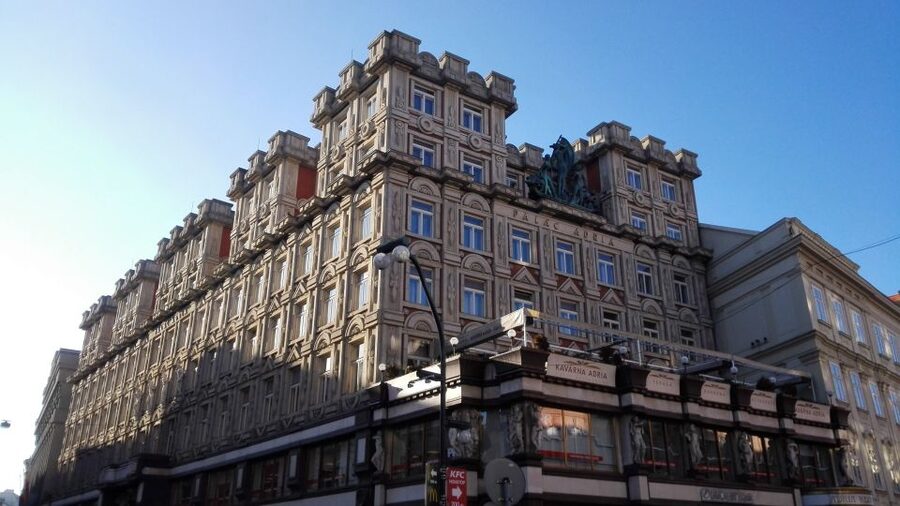
Reviewed · 3-HOUR EXPERIENCES
Prague 3-Hour Architectural Tour
Prague’s architecture changes quickly as you walk. A medieval Gothic building can sit near a Baroque facade, while a short turn into a side street brings you face to face with Cubism or Art Nouveau. This private tour gives you a useful way to read those changes instead of simply passing by pretty buildings.
I like the private format, since you can ask questions and steer the walk toward your interests. I also like the mix of famous places and less obvious corners, plus the willingness to adapt: one guest, Eva, changed the pace when three hours on foot felt like too much, and another group even added a tram ride.
The main drawback is simple: three hours is a lot of walking, and the price is high for one or two people. The route can be adjusted, but you should still wear sensible shoes and be ready for Prague weather.
Key points to know before booking
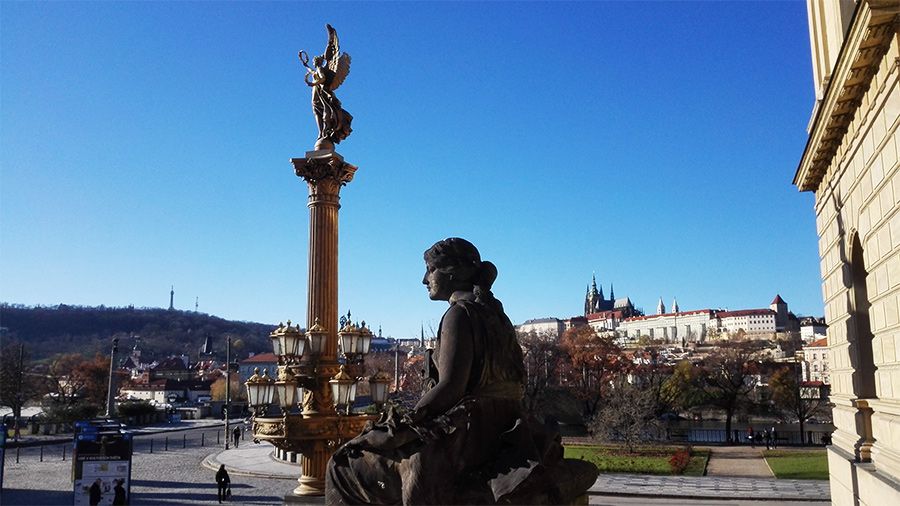
- Five architectural styles in one walk: Learn to recognize Gothic, Renaissance, Baroque, Cubism, and Art Nouveau as you move through central Prague.
- Private attention: The guide can answer your questions, change the pace, and shape the route around what you have already seen.
- Four central districts and landmarks: The route includes Old Town, Charles Bridge, Josefov, and New Town.
- A useful first-day tour: Pickup is available from a central location, and the walk finishes in the city center.
- Flexible transport and pacing: The experience is mainly a walking tour, but the route can include a tram ride or a break when appropriate.
- Good language choice: Tours are offered in English, French, German, or Italian, with wheelchair access noted.
Reading Prague through its changing architecture
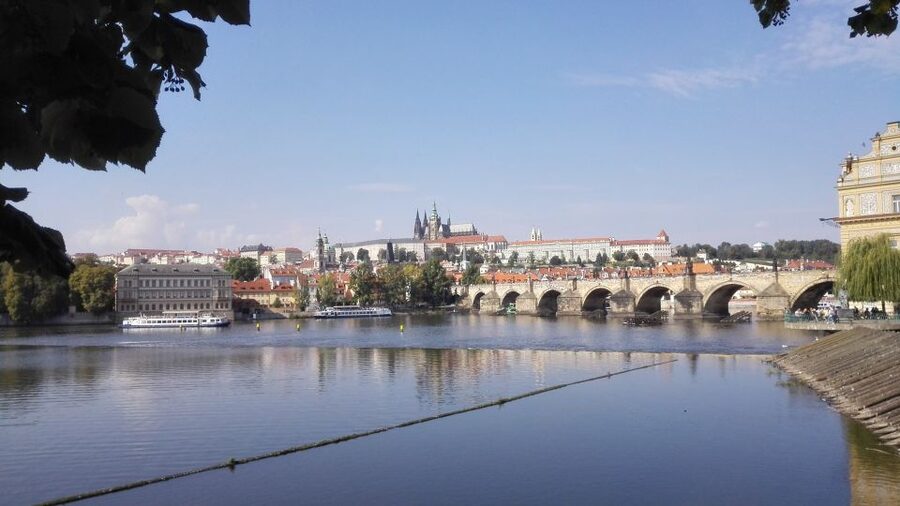
I find this tour most useful for people who want more than a parade of famous sights. Prague is often praised for its looks, but the real pleasure comes when you can tell why one building feels medieval, another feels theatrical, and another seems strikingly modern.
Your guide introduces five styles: Gothic, Renaissance, Baroque, Cubism, and Art Nouveau. The point is not to memorize a list of dates. It is to notice the visual clues that separate one period from another, then use those clues as you continue walking through the city on your own.
The private setting matters here. In a large group, a guide must keep moving and repeat the same explanation for everyone. With only your party, you can stop over a detail, ask about a building you have spotted, or say that you want less background and more time looking at facades.
The route also balances major sights with side streets and less obvious corners. That is valuable in Prague, where the famous views can draw your attention away from smaller architectural details nearby.
A few more Prague half-days worth weighing up
- Prague: 3-Hour Walking Tour of Old Town & Prague Castle
★ 4.7 · 5,696 reviews - Prague: 3-Hour Old Town and Prague Castle Tour in German
★ 4.8 · 5,671 reviews - 3-hour Complete Prague Bike Tour
★ 5.0 · 3,674 reviews
Starting at Kaprova 1 and heading into Old Town
The published meeting point is Kaprova 1, with pickup also available at a central Prague hotel of your choice. If you use hotel pickup, your guide meets you at reception holding a sign with your name. That is especially handy after a long journey, when finding a precise street corner is more trouble than it should be.
Old Town receives about an hour of guided attention. This is the best place to begin because you can see several periods close together, with the oldest parts of Prague providing a clear starting point for the city’s architectural story.
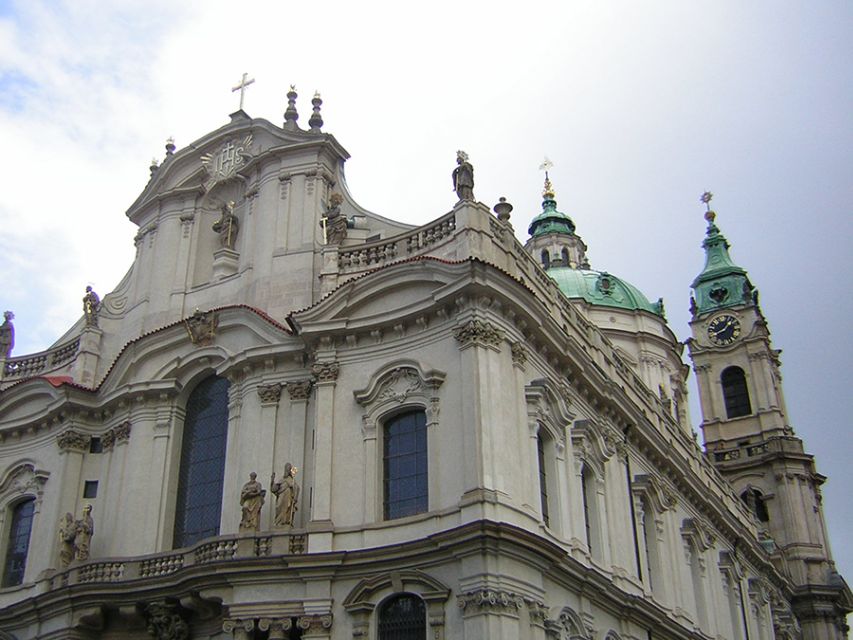
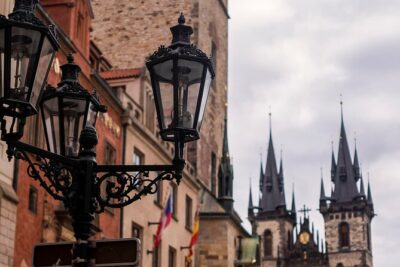
Expect the guide to point out the difference between the sturdy, upward-reaching character of Gothic design and the more balanced forms that came later. Renaissance and Baroque examples give you a chance to compare changing ideas about decoration, proportion, and display.
I would not treat this first hour as a checklist of every major sight. The value lies in learning how to look. Once the guide explains the features of a style, you can spot similar touches later in Josefov and New Town.
The drawback is that Old Town can be crowded and visually overwhelming. You may have to pause often or shift position to get a clear view. A private guide helps because the route can respond to your pace rather than forcing you to keep up with a large party.
Crossing Charles Bridge in 30 minutes
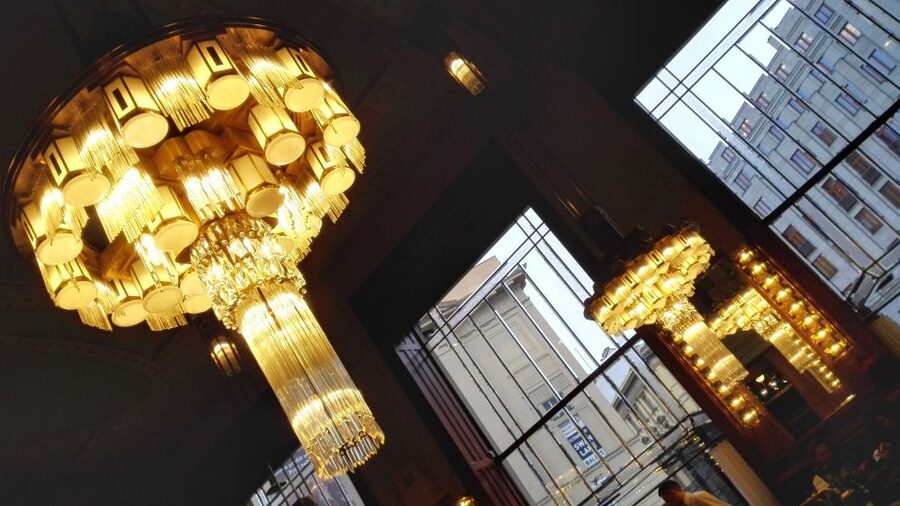
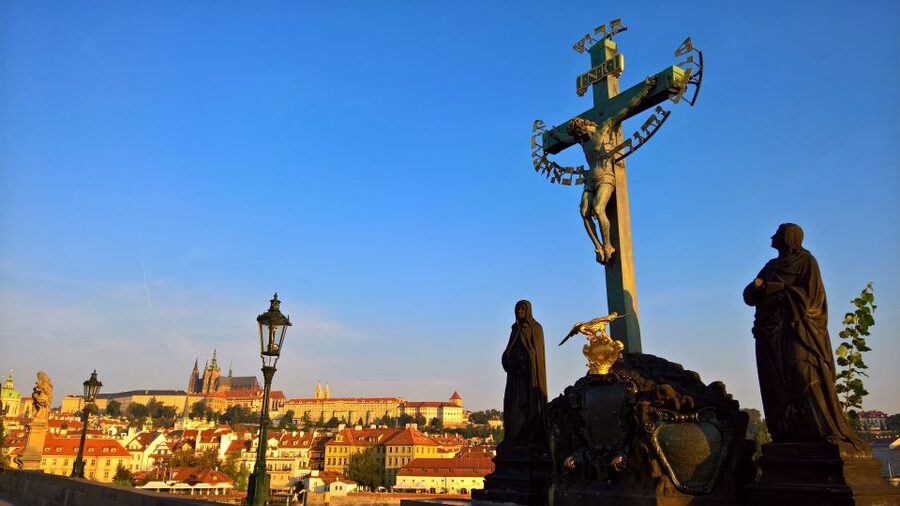
The tour sets aside 30 minutes for Charles Bridge. This is a shorter stop, but it gives the route one of Prague’s essential city views and a natural connection between the historic areas.
The bridge is not just a crossing to rush over. It links the old center with the area beyond the river and gives you a chance to discuss how Prague’s districts relate to one another. It also creates a change of pace after the denser streets of Old Town.
You should expect a guided visit rather than a long architectural lecture focused only on the bridge itself. The wider purpose is to place the bridge within your walk through central Prague, while your guide continues connecting major sites to the styles you have already encountered.
Weather matters here. The tour runs in all conditions, so a rainy or windy crossing could feel less pleasant than the same 30 minutes on a clear day. Bring a coat or rain layer that allows you to keep walking, since this is an outdoor experience with no weather guarantee.
One useful sign of the tour’s flexibility comes from a guest who did not want to walk for the full three hours. The guide, Eva, adjusted the plan, included the bridge, and made room for sitting and talking over tea. That does not mean every booking includes tea, but it does show the value of having a private guide when your energy or interests change.
Josefov and the details between the main sights
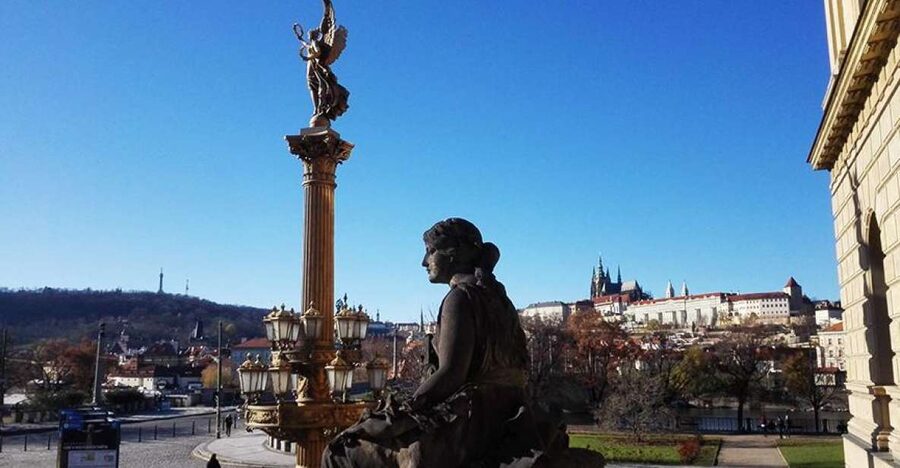
The next 30 minutes focus on Josefov, Prague’s Jewish Quarter. The supplied route identifies this as a guided stop, but it does not promise entry to specific museums, synagogues, or other interiors. You should therefore think of this part as an architectural and neighborhood walk, not a dedicated museum visit.
Josefov is a useful place for the style lesson because it adds another layer to the city center. Here, your guide can continue showing how different periods appear beside one another and direct your attention to details you might miss while moving from one major sight to the next.
I appreciate that this portion is not treated as filler between Old Town and New Town. A half-hour is short, so the guide will need to keep the route focused. If Josefov is a major personal interest, tell your guide at the start. In a private tour, that information can help shape the balance of stops.
This is also where the tour’s promise of overlooked corners becomes important. You are not limited to the most photographed streets. Your guide can point out details in side streets and quieter locations, though the exact stops will depend on the route and your interests.
A completely different way to spend a day in the same part of the country:
- Prague: 50-Minute Sightseeing Evening Cruise
★ 4.2 · 33,780 reviews - Prague: Medieval Dinner with Unlimited Drinks
★ 4.4 · 19,847 reviews - Prague: Skip-the-line Castle Ticket and Optional AudioGuide
★ 4.3 · 11,121 reviews - Prague: Castle Tour with Local Guide and Entry Ticket
★ 4.6 · 10,422 reviews
New Town brings the story into the modern era
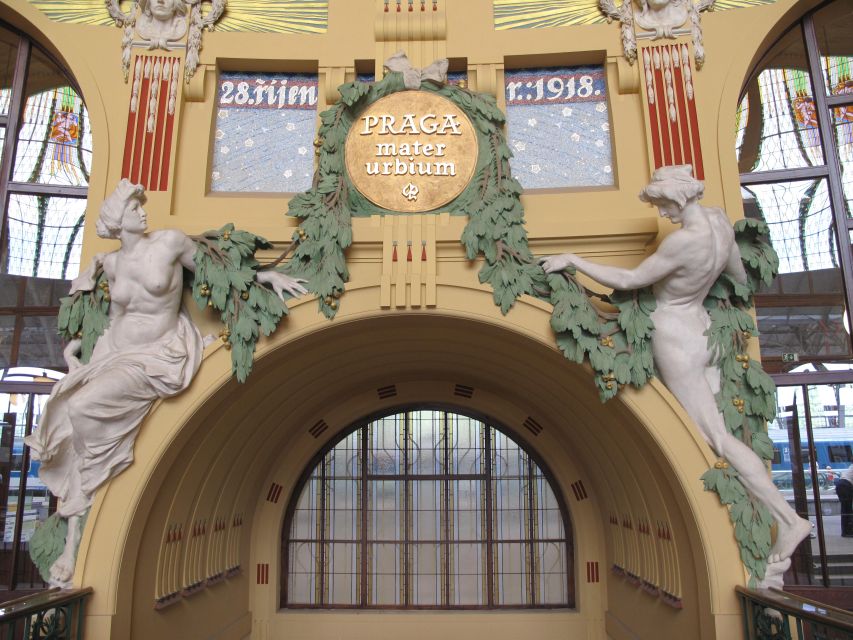
The final guided section takes about an hour in New Town. This is where the walk most clearly expands beyond medieval Prague and gives Cubism and Art Nouveau their place in the story.
Cubism is one of the most distinctive styles named in the tour. It can be difficult to recognize if you only know the movement from paintings, so seeing its architectural forms in the city gives the lesson a practical edge. Your guide explains what to look for rather than leaving you with a style name and no way to identify it.
Art Nouveau offers another useful contrast. Its decorative approach feels different from the harder, more geometric character associated with Cubism. Moving between the two helps you see that Prague’s modern architecture is not one single phase, but a series of changing ideas.
Renaissance and Baroque examples remain part of the wider route, too. The strength of the New Town segment is the comparison: after walking through older sections, you can recognize how the city’s buildings developed instead of seeing each facade as an isolated attraction.
The one-hour block gives you time for questions and a slower look at details. Since this is the final major section, it can also function as a review of the styles introduced earlier. By the end, you should have a basic visual vocabulary you can use during the rest of your stay.
Why a private guide changes the experience
The strongest reason to choose this tour is the ability to shape it around your party. You are not locked into a fixed script for a large group. You can ask about a particular building, request a slower pace, or explain that you have already seen certain main sights.
One couple found the route tailored to places they had not yet visited. Another guest described the guide as personable and among the best they had experienced in a major city. Those details point to the guide’s role as more than a person reciting facts. The quality of the experience will depend heavily on who leads your particular tour, but the private setup gives that guide room to respond to you.
The tour is also offered in English, French, German, and Italian. Choose the language in which you can comfortably discuss small visual distinctions. Architecture tours work best when you can interrupt, ask for a comparison, and follow a longer explanation without strain.
The guide may also adjust transportation. One group had the opportunity to ride a tram. The tour is built around walking, so do not book it expecting a sightseeing ride, but the example shows that the route does not have to be rigid.
The walking demand, weather, and accessibility
Three hours sounds manageable, and for many people it will be. Still, this is an active city-center tour covering several districts and a bridge. If you dislike long walks, tell the guide early rather than waiting until you are tired.
Comfortable shoes are a practical must. The experience takes place outdoors and runs in all weather conditions. Prague can look wonderful under gray skies, but cold rain changes how much attention you can give to a facade. Dress for the forecast and keep your hands free for walking and photographs.
The tour is listed as wheelchair accessible. If you use a wheelchair, confirm the route details when booking, since the tour includes historic streets, Charles Bridge, and several district changes. Accessibility is a helpful feature, but the exact ease of each section can depend on the route chosen that day.
The tour ends in the city center rather than returning you to your hotel. I see that as a benefit if you want to continue sightseeing, have lunch, or reach another central attraction afterward. It is less convenient if you want a direct return to your accommodation, so plan your next move before setting out.
Is $229 good value for two people?
The price is $229 for a private group of up to two people. That is a steep per-person cost for a couple compared with a standard group walk, but it becomes easier to justify if you care about personal attention and route changes.
You are paying for a three-hour private guide, not for admission to a collection of listed attractions. No entrance tickets are included in the supplied details, and the tour centers on outdoor sightseeing. The value therefore comes from explanation, pacing, local interpretation, and the convenience of pickup.
For two people with a strong interest in buildings, this can be a sensible splurge. You can ask more questions than you could in a large group and avoid spending time on places you have already seen. It is less compelling if you only want a quick introduction to Prague’s headline sights or if you are comfortable exploring with a guidebook.
The cost also makes the tour better suited to a first day or an early part of your stay. You learn a way of reading the city, then use that skill during later walks. If you book it on your final morning, the same information may arrive too late to shape the rest of your visit.
Who will get the most from this Prague walk?
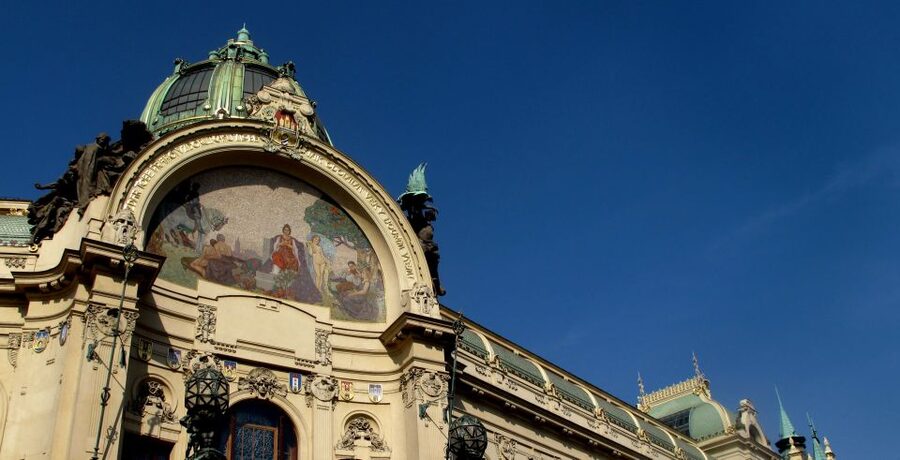
I would recommend it first to a couple who likes architecture but does not want a formal academic lecture. The route gives you structure, yet the private format keeps the discussion personal and practical.
It also suits first-time visitors who want to see Old Town, Charles Bridge, Josefov, and New Town without arranging several separate walks. Families or mixed-interest groups may benefit from the ability to change the pace, though the three-hour walking commitment still matters.
This is not the ideal choice for someone seeking extensive interior visits, a museum tour, or a purely historical account of Prague. The details provided emphasize outdoor architecture and city-center walking. If you need a tour built around specific interiors, ask before booking.
The experience can work for repeat visitors, too. A private guide can focus on parts of central Prague you have missed rather than repeating every major sight. Tell the guide what you already know and what you want to see.
Should you book the Prague Architectural Tour?
Book it if you want Prague to become easier to read. The strongest features are the private guide, the broad range of architectural styles, and the freedom to adjust the route. The positive experience associated with Eva also suggests how helpful a flexible guide can be when walking, transport, and rest stops need to change.
Think twice if $229 feels too high for an outdoor walk, if you prefer a large social group, or if three hours on foot sounds tiring. You will get the best value when you ask questions, explain your interests, and treat the tour as a lesson you can use for the rest of your time in Prague.
For an architecture-minded couple, I think it is a worthwhile splurge. For everyone else, compare the price with your priorities, then choose it for the personal attention rather than simply for the list of sights.
FAQ
How long is the Prague Architectural Tour?
The tour lasts three hours.
Where does the tour begin?
Pickup is available from a central Prague location of your choice. The stated meeting point is Kaprova 1, and hotel pickup takes place at reception.
Where does the tour finish?
The tour ends in Prague city center.
Which parts of Prague are included?
The route includes Old Town, Charles Bridge, Josefov, and New Town.
Which architectural styles will I see?
The tour covers Gothic, Renaissance, Baroque, Cubism, and Art Nouveau.
Is this a private tour?
Yes. It is a private group experience priced for up to two people.
Which languages are available?
The tour is offered in English, French, German, and Italian.
Is the tour wheelchair accessible?
The activity is listed as wheelchair accessible.
Can I cancel for a full refund?
Yes. You can cancel up to 24 hours in advance for a full refund.
Just added around Prague
- WWII and Communism History in Prague’s Old Town Private Tour★ 5.0 · 4 reviews
- World War II 4WD Tour from Prague with Lunch★ 4.4 · 3 reviews
- Wroclaw to Prague: 2-in-1 (Private Transfer + Country Tour)★ 5.0 · 4 reviews
- Prague: Historical Walking Tour with Focus on World War 2★ 4.3 · 12 reviews
- Walking tour of Prague in french: Old Town & Charles Bridge★ 4.9 · 62 reviews
- Ultimate Unlimited Beer Pong with Czech Beer★ 4.6 · 5 reviews
- Walking tour of Prague in French : Nové Město★ 4.9 · 16 reviews
- Prague: Modern Private Spa with Jacuzzi and Sauna★ 4.8 · 62 reviews
3-Hour Experiences, compared.
3-Hour Walking Tour of Old Town & Prague Castle
Read our review →
Prague 3-hour Afternoon Walking Tour including Prague Castle
Read our review →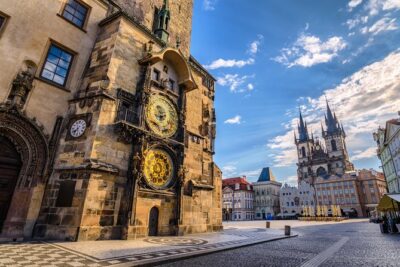

Prague 3-Hour Tour with Astronomical Clock Admission
Read our review →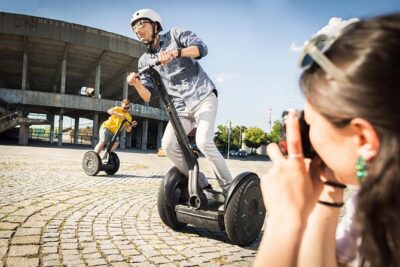
3h Small-Group Segway Tour & Free Taxi Transport ️with PragueWay
Read our review →Browse the lists this tour appears in