
Reviewed · MUSEUMS
Prague: Tickets for the Franz Kafka Museum
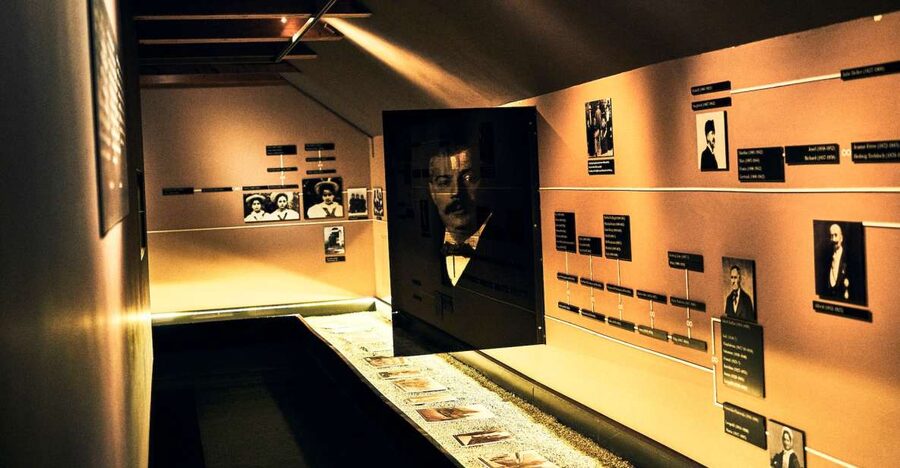
Prague’s Franz Kafka Museum offers a close look at the writer’s life through his letters, diaries, photographs, drawings, and first editions. I like the 20-minute introduction, which gives you useful context before you enter, and I like that you can then explore at your own pace rather than follow a guide from room to room.
The museum also uses 3-D installations, audiovisual pieces, and a custom soundtrack to create a mood that fits Kafka’s unsettling work. The main drawback is its size. At $28, you are paying for a focused museum visit, and crowded rooms or limited labels may make it hard to study every display calmly.
Key points to know before you go
- A short English briefing gets you started: Meet the host outside for a 20-minute introduction before entering on your own.
- Kafka’s original world is on display: Look for first editions, letters, diaries, manuscripts, photographs, and drawings.
- The museum favors atmosphere: 3-D pieces, audiovisual work, and a specially made soundtrack shape the visit.
- This is a self-guided museum entry: The host does not remain inside to lead you through the exhibits.
- The museum is compact: Allow enough time to look carefully, but expect a smaller exhibition rather than a full-day institution.
- The meeting point is easy to spot: Look for the host holding a yellow umbrella.
Why Kafka makes sense in Prague
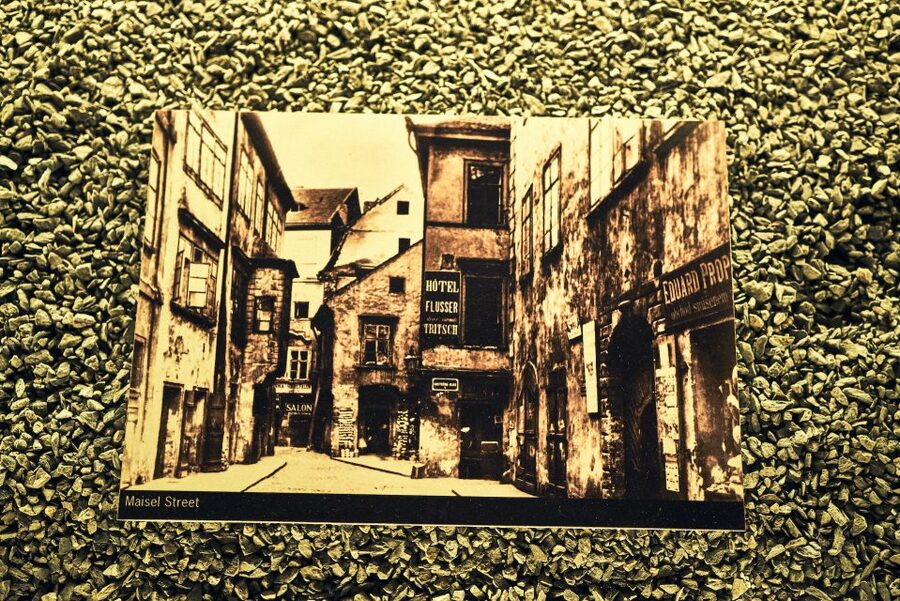
Franz Kafka was born in Prague and lived from 1883 to 1924. That basic fact gives this museum its strongest appeal. You are not simply looking at a famous author’s papers in an unrelated gallery. You are tracing a literary figure through the city where his life unfolded.
Kafka’s writing is often associated with confusion, anxiety, bureaucracy, and strange transformations. Those themes can feel abstract when you meet them only on a printed page. Here, the exhibition tries to connect the author to his city and to the personal material behind the books.
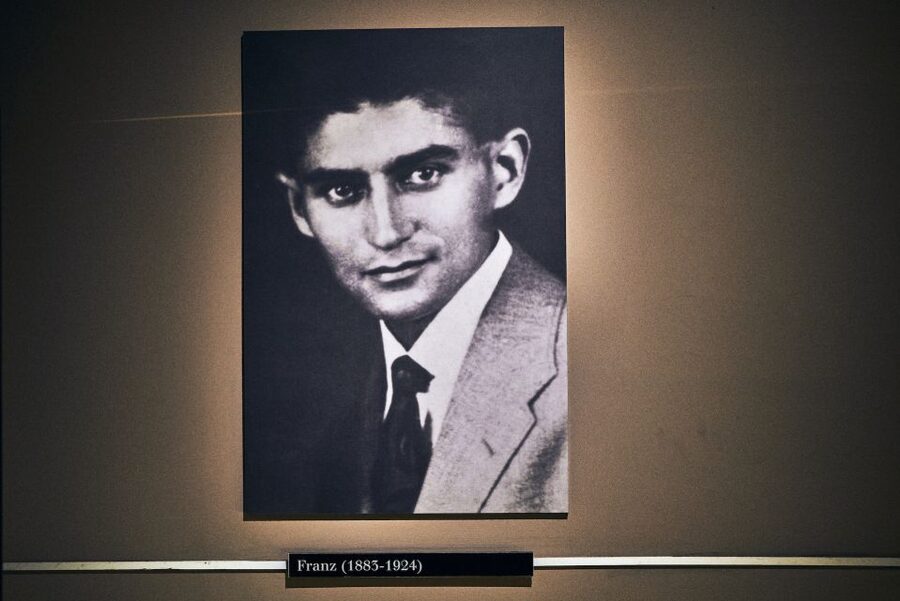
I find that useful even if you have read only The Metamorphosis. You can see the person behind the familiar name, rather than treating Kafka as a gloomy literary symbol detached from ordinary life.
The museum covers the period from 1883 to 1924, so the focus is Kafka’s lifetime. It is not designed as a general survey of modern Czech literature. If your interest is specifically Kafka, the narrow focus is a strength. If you want a broad account of Prague’s writers, you will need another museum or walking tour as well.
More museums in Prague:
- Prague: Museum of Fantastic Illusions Entry Ticket
★ 4.3 · 4,337 reviews - IAM Illusion Art Museum Entry Ticket
★ 4.2 · 1,664 reviews - Prague: Museum of Senses Admission Ticket
★ 4.0 · 1,445 reviews
Meeting the host under the yellow umbrella
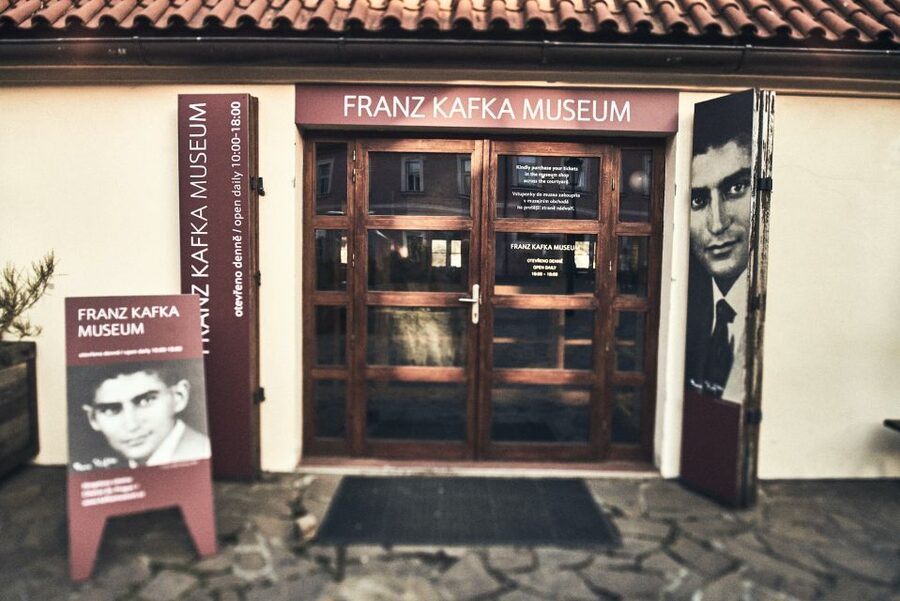
Your visit begins outside the museum. Look for the English-speaking host holding a yellow umbrella. This detail matters in central Prague, where streets can be busy and several attractions may sit close together. The umbrella gives you a simple visual marker instead of requiring you to search for a desk or call a guide.
The host gives you a 20-minute introduction before you enter. Think of it as a useful orientation, not a full lecture. You receive enough information to understand what you are about to see, then continue independently.
I like this arrangement for two reasons. First, you get a human explanation before facing a collection that can otherwise feel cryptic. Second, you are not tied to a guide’s pace once the museum visit starts. You can pause over a manuscript, move quickly past a photograph, or return to a display without holding up a group.
The tradeoff is clear: the guide does not accompany you inside. If you want to ask questions while looking at each item, this is not that kind of tour. The introduction helps you get your bearings, but the main museum visit is self-guided.
Seeing Kafka through letters, diaries, and manuscripts
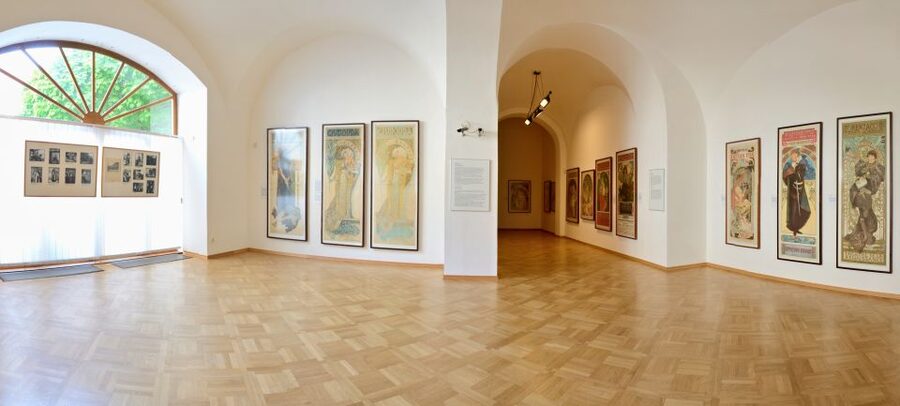
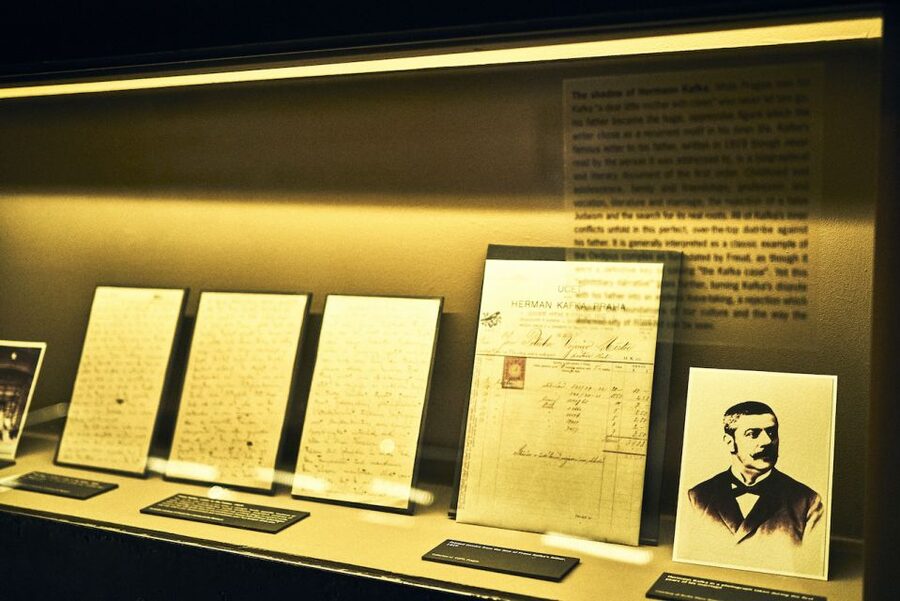
The heart of the museum is its collection of personal and literary material. You can see first editions of Kafka’s works, along with letters, diaries, manuscripts, photographs, and drawings.
These objects matter because they bring you closer to Kafka’s working life. A finished book can make writing look neat and inevitable. A manuscript or diary suggests the less tidy process behind it. Letters can add a personal voice, while photographs give you a visual connection to the man himself.
The material is especially valuable if you have read Kafka and want to place the books in a human setting. You may find that even a brief look at a manuscript changes how you think about the printed text. The museum’s aim is not only to display famous titles, but also to show the author as a person who wrote, revised, corresponded, and kept records.
Still, you should adjust your expectations. The exhibition is compact, and not every photograph has a detailed explanation. One visitor specifically found that some images lacked enough information about their connection to Kafka. That is a fair criticism. If you need a full label for every object, you may find parts of the exhibition frustrating.
Take time with the displays that do provide context, and use the opening briefing to fill in some of the gaps. You will get more from the collection if you arrive with at least a basic sense of Kafka’s life and work.
The museum’s 3-D and audiovisual side
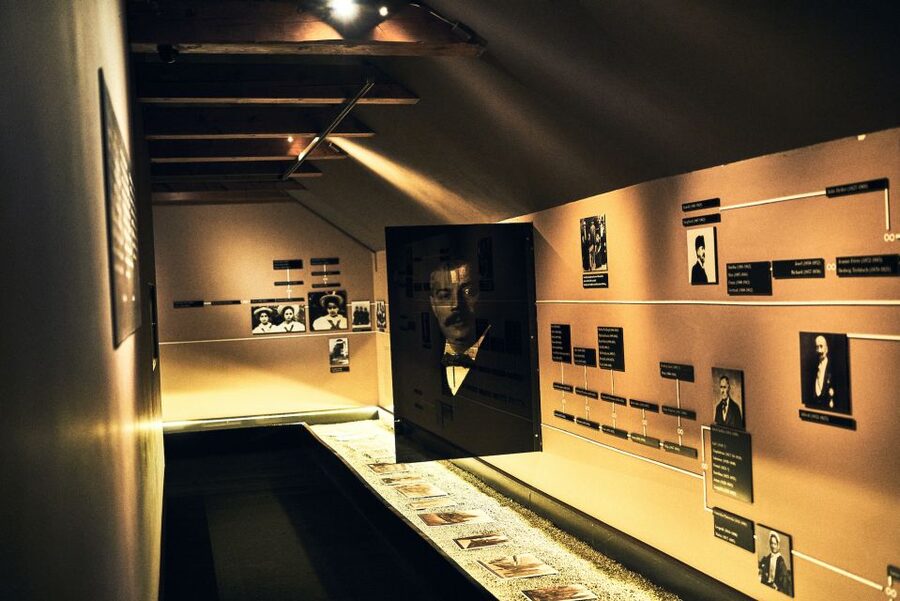
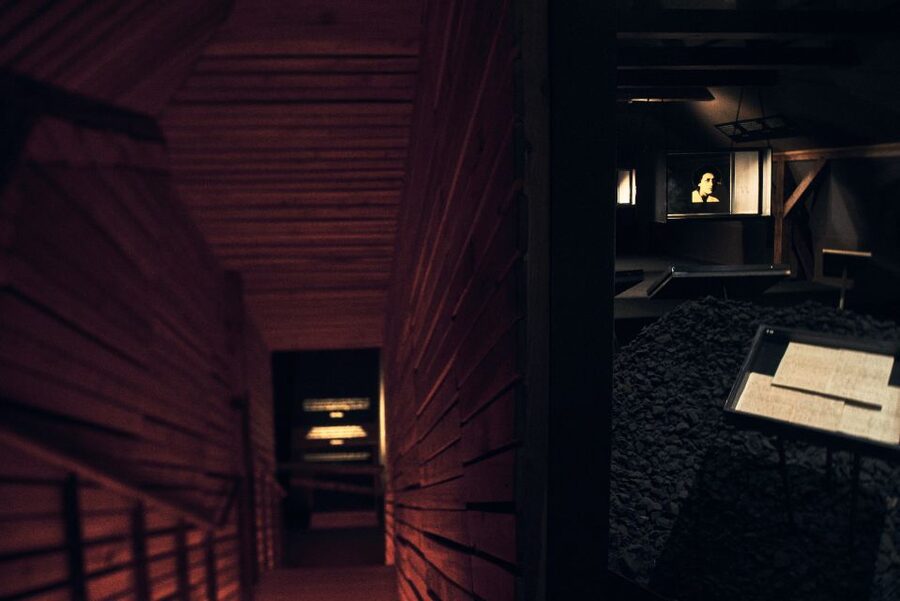
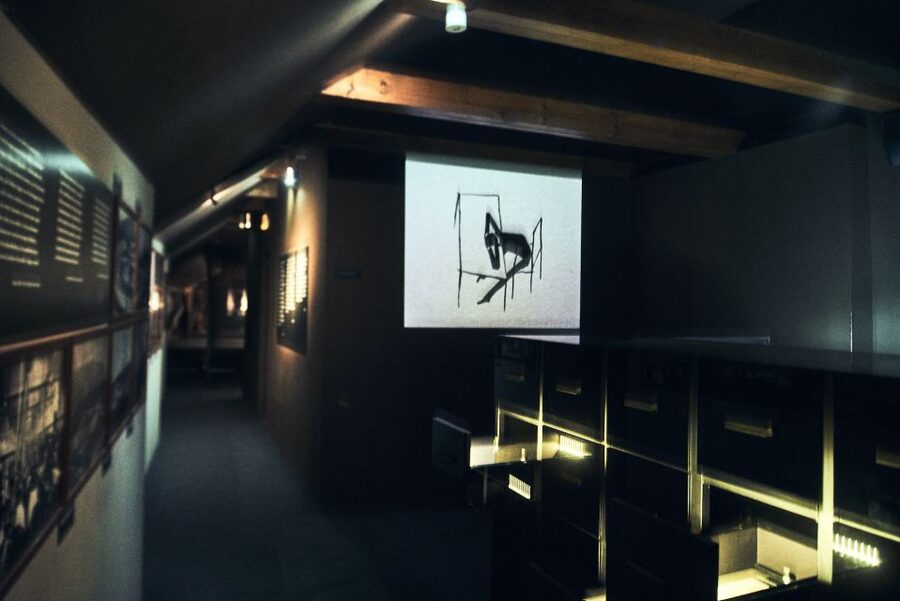
This is not a quiet room full of framed pages. The exhibition uses 3-D installations, audiovisual pieces, and a soundtrack created for the museum.
These elements are meant to create a mood around Kafka’s writing. The effect is more sensory than a traditional literary display, and it can help you understand why Kafka’s work often feels tense, odd, and dreamlike. You are not just reading about the author. The room design and sound contribute to the way you experience the material.
I like this approach when it supports the original objects. Kafka’s work has a strong atmosphere, and a purely factual display could miss part of its character. The audiovisual material gives the museum a more distinctive identity than a standard row of cases.
There is a possible downside. Mood can sometimes get in the way of information. If you prefer clear historical explanation above all else, the sound and installations may feel more theatrical than helpful. The museum asks you to take in both the documents and the atmosphere, so the balance will depend on your taste.
The best approach is to treat the installations as an added layer, not as a substitute for the letters, manuscripts, and photographs. Look closely at the original material first, then notice how the surrounding presentation changes your reading of it.
A few more Prague half-days worth weighing up
- Prague: 50-Minute Sightseeing Evening Cruise
★ 4.2 · 33,780 reviews - Prague: Medieval Dinner with Unlimited Drinks
★ 4.4 · 19,847 reviews - Prague: Skip-the-line Castle Ticket and Optional AudioGuide
★ 4.3 · 11,121 reviews - Prague: Castle Tour with Local Guide and Entry Ticket
★ 4.6 · 10,422 reviews
How much time should you allow?
The ticket is valid for one day, but the experience itself is not described as a full-day guided program. The museum is small, so you can visit it as part of a wider day in Prague rather than planning your entire schedule around it.
A short visit may work if you want a quick introduction to Kafka. A slower visit is better if you plan to read the documents, study the photographs, and spend time with the audiovisual displays. The compact size can be an advantage because the collection is focused, but it also means you may reach the end sooner than expected.
Crowding is worth considering. A January visit was described as very full, with too little room to see everything calmly. That does not mean every visit will be crowded, but it is a useful warning. If the rooms are busy, move patiently and accept that some displays may require a second look.
The ticket is valid for one day rather than a fixed multi-day period. Check the available starting times when booking, then plan the museum around the rest of your Prague schedule. The host’s introduction is part of the start of the experience, so arriving late could make you miss the useful orientation.
Is $28 a fair price?
At $28 per person, this is not a bargain museum ticket. The value depends on what you want from the visit.
The price includes museum entrance and the 20-minute English introduction outside. You are also paying for the exhibition’s audiovisual presentation and special installations, not only for access to display cases. For a Kafka enthusiast, that combination can make the cost reasonable, especially if you value original documents and a focused presentation.
For a casual visitor who knows little about Kafka, the calculation is less clear. The introduction helps, but the museum is small and the host does not remain inside. You may feel that $28 is high if you expect several hours of guided interpretation.
I would consider it good value for a reader who already has an interest in Kafka, literature, or Prague’s cultural life. It is a more uncertain purchase if you are only looking for a general attraction near the river. The museum works best when you care about the subject, not simply when you have an empty hour.
The reserve-now-and-pay-later option also gives you some planning flexibility. You can book without paying immediately, and cancellation is allowed up to 24 hours in advance for a full refund. Those terms reduce the risk if your Prague plans are still changing.
Who will get the most from this visit?
This experience suits you if you:
- Have read Kafka and want to see the documents behind the books
- Enjoy literary museums with original papers and personal photographs
- Prefer a short introduction followed by independent exploration
- Like exhibitions that use sound, video, and installations
- Want to connect a writer with the city where he was born and lived
It may suit you less if you want a long guided tour, a large collection, or detailed labels beside every item. The self-guided format puts more responsibility on you to make sense of what you see.
Families and casual sightseeing groups should think about attention span and interest. The exhibition deals with an author and his work rather than offering a broad, interactive history of Prague. The unusual installations may hold attention, but the written material is still central.
English is the stated language for the host. If you need an explanation in another language, this activity may not fit your needs.
Practical ways to improve your visit
Before you go, read a short Kafka biography or revisit one familiar work. You do not need a full course in Czech literature. Even a basic understanding of The Metamorphosis or Kafka’s main themes will help you place the documents in context.
Arrive with enough time to find the host and hear the entire 20-minute briefing. Look for the yellow umbrella rather than assuming the host will be immediately inside the museum.
Once inside, do not rush straight through the first-edition displays. Give yourself time to look at the letters, diaries, manuscripts, photographs, and drawings. The exhibition’s atmosphere can be memorable, but the personal documents are the part most likely to reward careful attention.
If the museum is crowded, accept that you may not be able to study every display at length. Focus on the objects that interest you most, then return to anything you missed if the room clears. Since the ticket is valid for one day, check the exact entry conditions and available timing when you book.
Should you book the Franz Kafka Museum ticket?
Book it if Kafka is already on your Prague reading list, or if you want a compact literary museum with original documents and an unusual audiovisual setting. The short English introduction is helpful, and the freedom to explore alone keeps the visit flexible.
Skip it if you expect a long guided tour or a large museum packed with extensive explanations. The $28 cost is easier to justify for a serious reader than for someone seeking a general Prague attraction.
For the right visitor, this is a focused way to connect Kafka’s life, work, and city. Just arrive prepared for a small museum, possible crowding, and a self-guided visit after the opening briefing.
FAQ
How much does the Franz Kafka Museum ticket cost?
The ticket costs $28 per person.
What does the ticket include?
It includes entrance to the Franz Kafka Museum and a 20-minute guided introduction outside the museum.
Is the museum visit guided?
Only the introduction is guided. After the briefing, you enter the museum and explore the exhibits at your own pace without a guide inside.
Where do I meet the host?
Meet the host outside the museum and look for someone holding a yellow umbrella.
What language is the introduction in?
The host or greeter provides the introduction in English.
Can I cancel the booking?
Yes. You can cancel up to 24 hours in advance for a full refund. The reserve-now-and-pay-later option lets you book without paying immediately.
Just added around Prague
- WWII and Communism History in Prague’s Old Town Private Tour★ 5.0 · 4 reviews
- World War II 4WD Tour from Prague with Lunch★ 4.4 · 3 reviews
- Wroclaw to Prague: 2-in-1 (Private Transfer + Country Tour)★ 5.0 · 4 reviews
- Prague: Historical Walking Tour with Focus on World War 2★ 4.3 · 12 reviews
- Walking tour of Prague in french: Old Town & Charles Bridge★ 4.9 · 62 reviews
- Ultimate Unlimited Beer Pong with Czech Beer★ 4.6 · 5 reviews
- Walking tour of Prague in French : Nové Město★ 4.9 · 16 reviews
- Unique salt cave in Prague★ 4.9 · 10 reviews
Museums, compared.
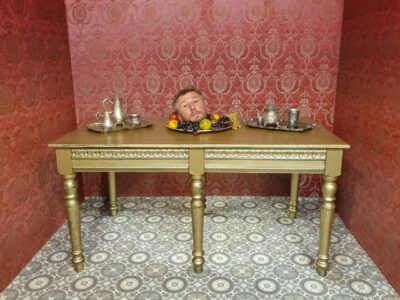
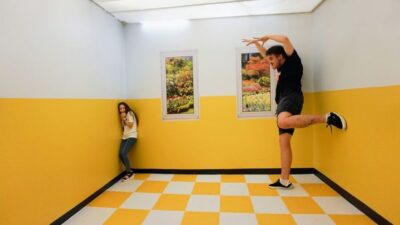
IAM Illusion Art Museum Prague Fast Pass Ticket
Read our review →
Ticket to Audiovisual Light Art at Lumia Gallery
Read our review →
Browse the lists this tour appears in